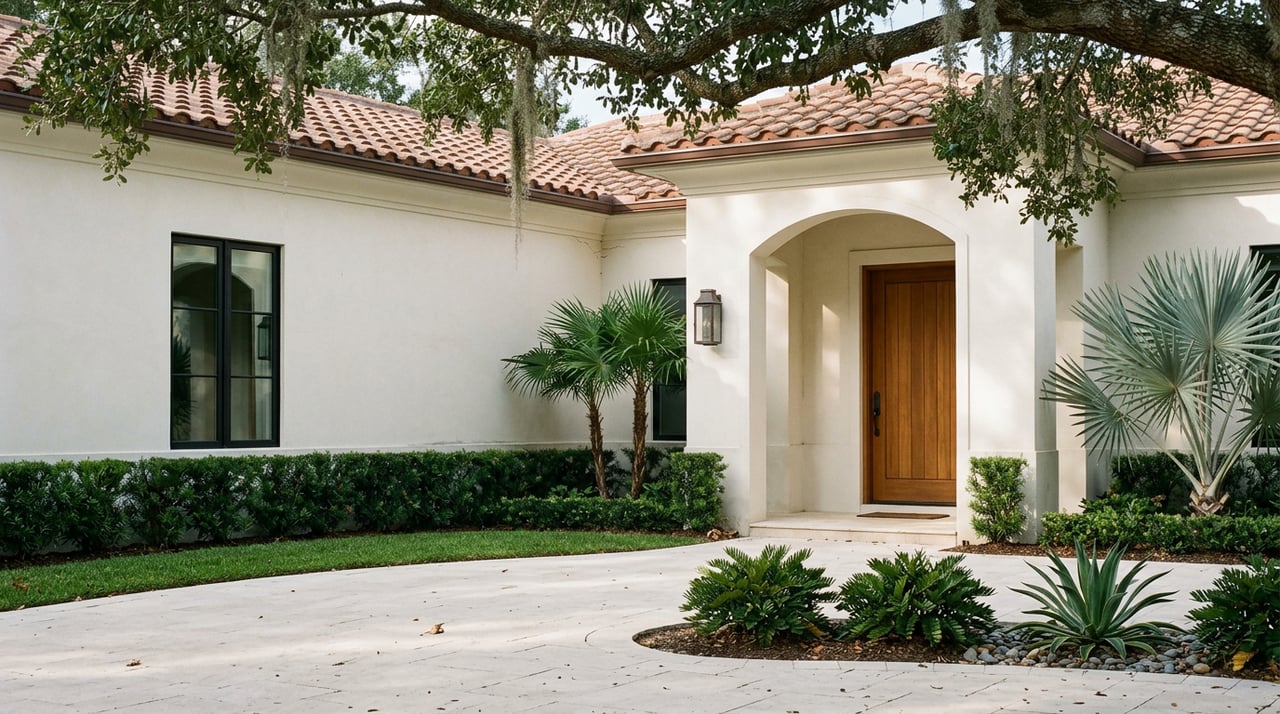
Buying a Home in Avila Tampa: What Your Budget Buys
A buyer touring Avila for the first time usually asks the same question on the way out of the gatehouse: what's the all-in? The list price on the yard sign is the smaller of two decisions they'll make, and the second one isn't on any MLS sheet.
Avila's listing pool is small, expensive, and slower than the headlines suggest. There are 11 homes for sale in Avila with a median listing price of $3,299,500, and most homes stay on the market for 53 days, with one home sold in the past month. Those figures describe an illiquid, high-ticket market where the price of admission is only the beginning of what a buyer is signing up for.
The thesis of this post is straightforward: in Avila, the club membership decision, not the purchase contract, is the piece most buyers underestimate. It is optional on paper, socially essential in practice, and it moves independently of the real estate cycle.
Membership in the Avila Golf and Country Club is separate from property ownership and is not mandatory for residents. Homeowners can choose to live in Avila solely for the security and privacy without utilizing the club's facilities. That single sentence is where the neighborhood diverges from every other Tampa gated community a buyer might compare it to.
Here is what "separate" actually costs. Initiation fees run $65,000 with annual dues of $6,500, and Avila operates on an invite-only basis, maintaining exclusivity within its gated community setting. The invite-only membership structure eliminates public applications, instead requiring existing member sponsorship for admission consideration.
Read that carefully. A buyer can close on a $3M home inside the wall and still not have a path into the clubhouse without a sponsor. The real estate transaction and the social transaction are governed by different gatekeepers.
Two consequences follow. First, a buyer who wants the full lifestyle needs to build sponsor relationships before writing an offer, not after. Second, a seller pricing a home should know whether comparable recent sales went to members or non-members, because that distinction changes the buyer pool.
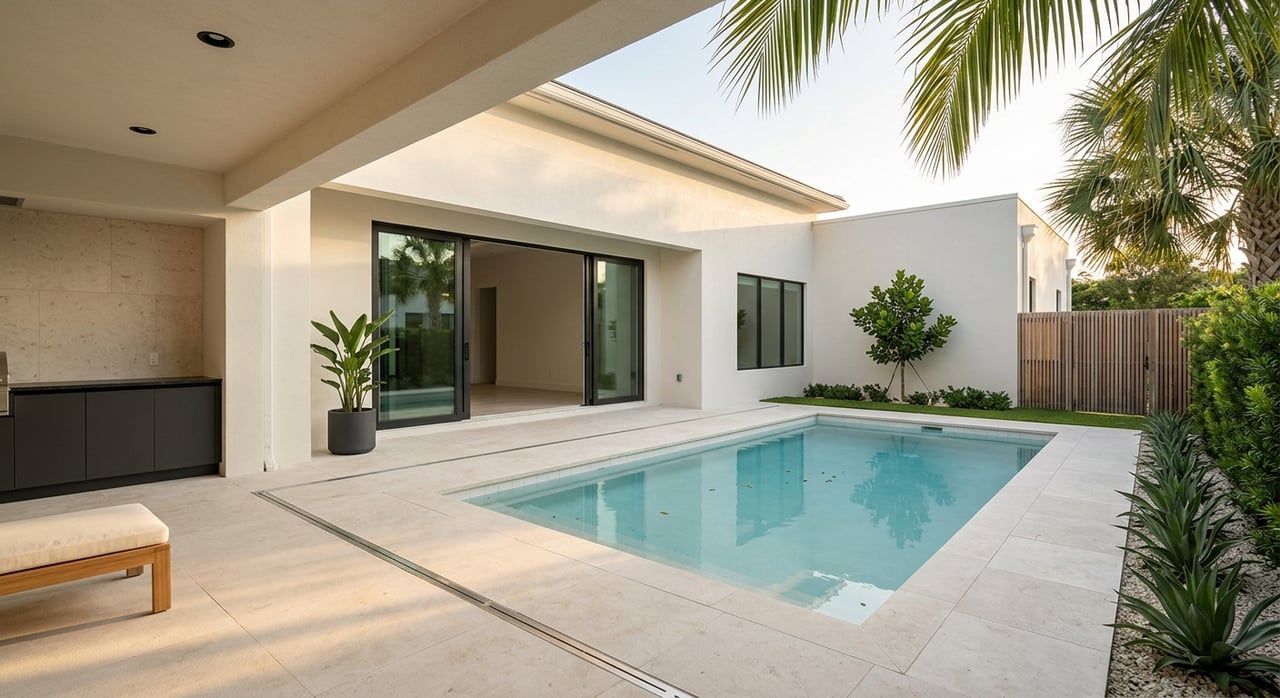
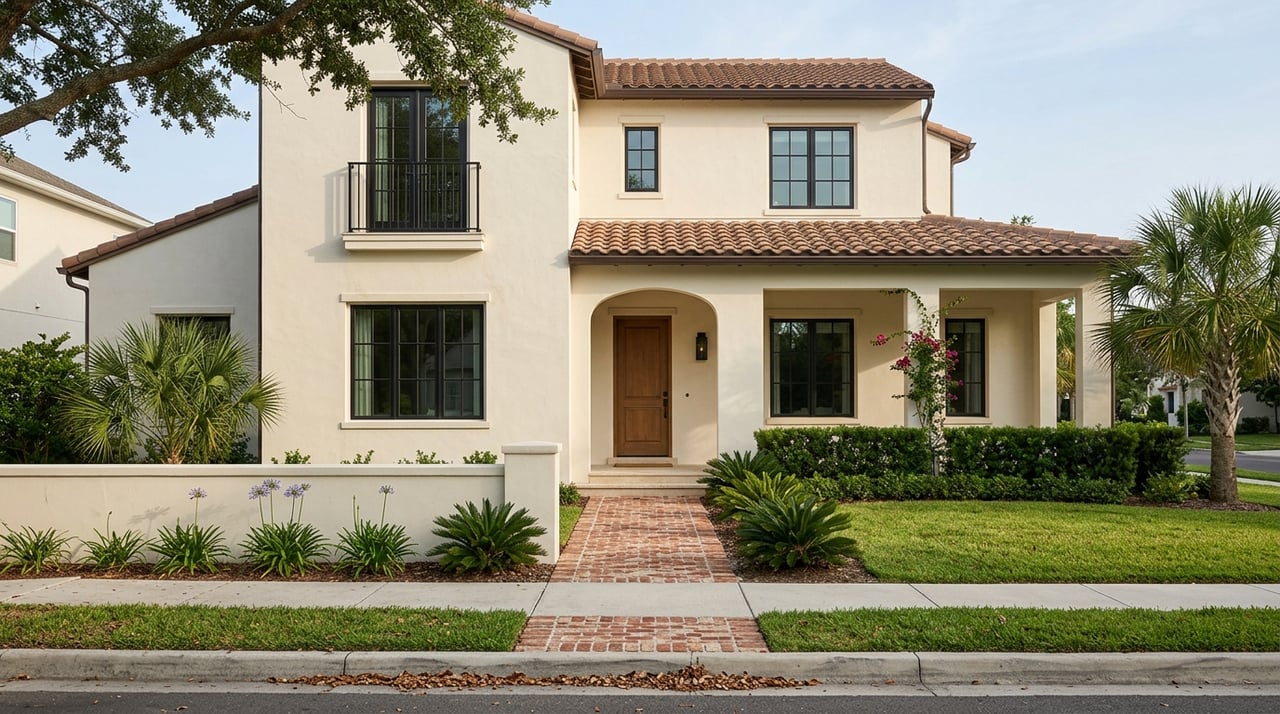
The listing pool skews toward large, custom estates on generous lots. The community features estate residences on manicured grounds of an acre or more, with some properties spanning five-plus acres, and Tampa Bay builders such as Jay Fechtel Construction and Cardel Homes have examples of their work here. Trophy estates on Millan de Avila and Villarreal de Avila showcase custom design and premium materials aimed at affluent buyers.
What that median buys, broken down as a buyer would see it in a walkthrough:
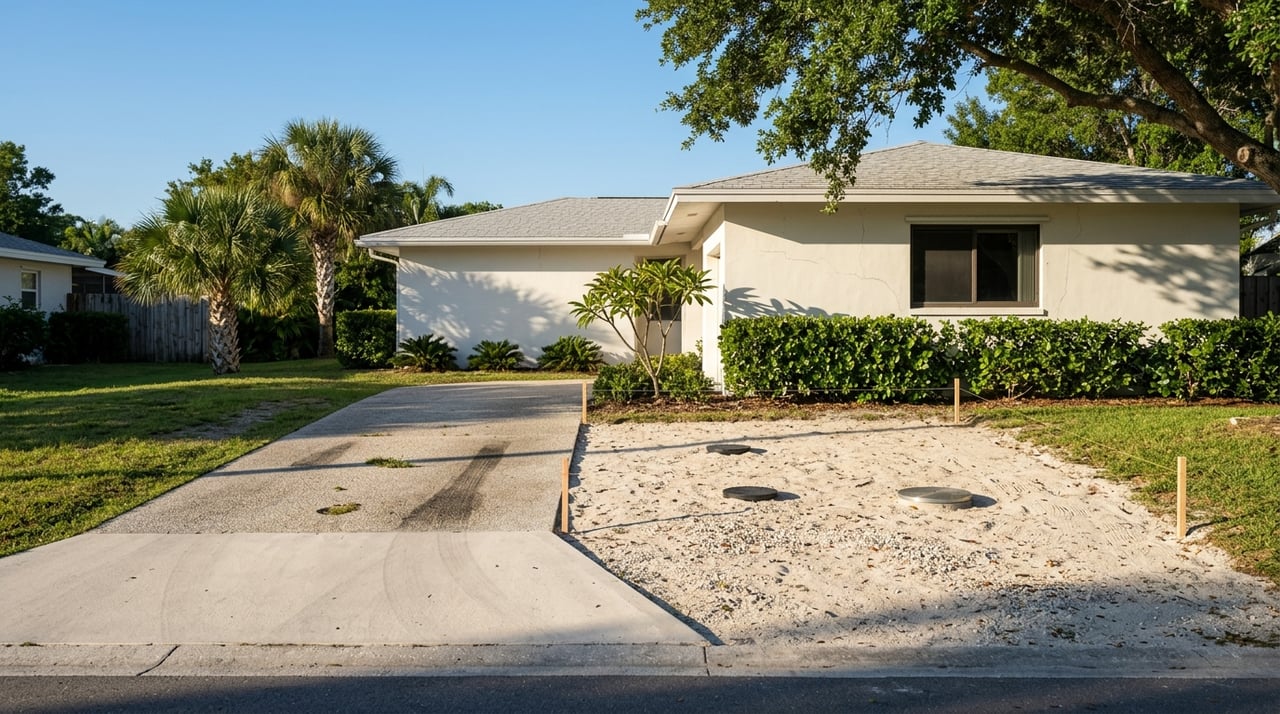
A buyer moving from Beach Park or Bayshore Beautiful is used to smaller lots and street-facing homes. In Avila, the frontage is a driveway and hedge line, and the value calculation shifts toward acreage and privacy rather than walkable proximity.
With only 11 homes for sale and one home sold in the past month, Avila is a market where a single transaction can reset comps for a quarter. Homes stay on the market for 53 days on average, which sounds moderate until you realize how few data points sit behind that number.
For a buyer, that means:
For a seller, illiquidity cuts the other way. A well-prepared listing has less competition, but the buyer pool is small enough that presentation and pricing errors get punished with weeks of stagnation rather than a soft second offer.
The Avila decision is really two decisions stacked. The house is the visible one. The club, the wall, the acreage, and the tax stack are the one that determines whether a buyer stays five years or twenty-five.
Properties in Avila are located in unincorporated Hillsborough County, which generally carries a millage rate of approximately 1.83%. For a $3,000,000 home, this translates to an annual tax bill of roughly $54,000, though it can be reduced with the Florida Homestead Exemption, which increased to approximately $51,411 in 2026. That homestead cap is meaningful only for a primary residence, so second-home buyers should model taxes without it.
Add the community's carrying costs on top. As of 2026, Avila HOA fees often range from $5,000 to $10,000 or more annually, depending on the specific phase or sub-section of the neighborhood. Layer in the $6,500 club dues for a member household, and the annual carry on a $3M Avila home lands north of $65,000 before any golf, tennis, or dining spend.
The interpretation matters more than the arithmetic. A buyer comparing Avila to a similarly priced Bayshore or Davis Islands home is comparing two very different fixed-cost stacks. In the Tampa city neighborhoods, the wall and the private staff don't exist, and the club is not part of the address. Avila's premium buys those things whether or not the buyer uses them.
Jack Nicklaus designed the championship course to stretch 7,005 yards from the championship tees, making it one of Tampa's longer private club layouts, and the par-72 design incorporates Florida's natural topography while providing strategic challenges. The club is run by General Manager Glenn Zito, with Head Golf Professional Chris Slattery and Superintendent Matt Schad.
Two points a buyer should weigh. First, the course and clubhouse are a large part of what a resale buyer is paying to be near, even if that buyer never joins. Second, a home directly on the fairway carries a different lot value than a home two streets in, and the recent listing pool reflects that spread.
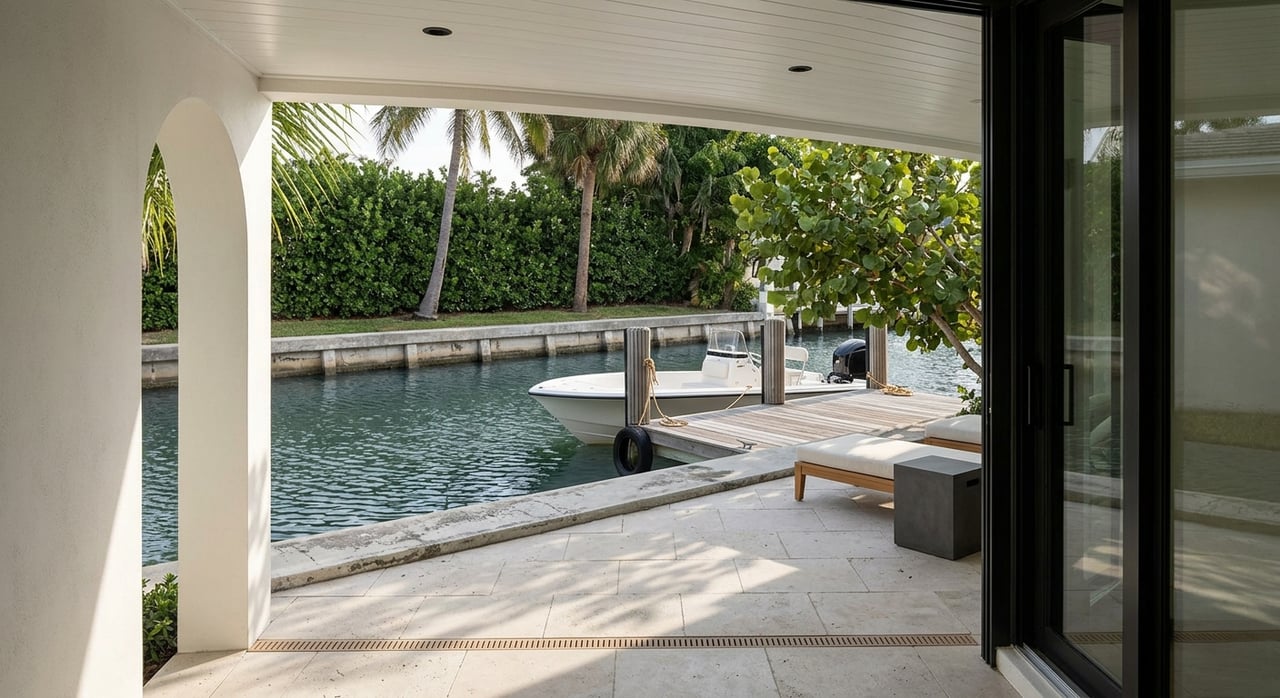
The client demographic that considers Avila often also tours waterfront homes on Davis Islands or Beach Park, and the frame changes completely between them:
None of that makes one neighborhood better than another. It makes them non-substitutable. A buyer who thinks they're choosing between Avila and Bayshore on price is really choosing between two different definitions of what a Tampa luxury home is.
Do I have to join the country club to buy in Avila? No. Membership is separate from property ownership and is not mandatory. Homeowners can live in Avila solely for the security and privacy without using the club. The practical question is whether a non-member household will feel connected to the neighborhood's social life, which is heavily club-based.
How does the invite-only membership actually work? The invite-only structure requires existing member sponsorship for admission consideration, which is intended to maintain community cohesion. A buyer who wants membership should be introduced to current members well before making an offer on a home.
What are the true annual carrying costs on a $3M Avila home? Roughly $54,000 in county property tax at the local millage before any homestead reduction, HOA dues that often range from $5,000 to $10,000 or more annually depending on the phase, and $6,500 in club dues if a household holds a membership. Insurance, landscaping, and pool service sit on top.
Is the market moving? As of mid-2026, 11 homes are listed at a median of $3,299,500, homes stay on the market about 53 days, and one home sold in the past month. That's a thin, high-ticket market where a single sale matters more than it would in a larger neighborhood.
Avila rewards buyers who understand that closing is the middle of the process rather than the end. Sponsor conversations, HOA phase details, and a realistic model of the annual carry all belong in the diligence stage, not after move-in. Sellers benefit from the same discipline in reverse, pricing against a small pool of comps and marketing to a buyer who is evaluating a lifestyle contract along with a house.
If you're considering a purchase or a sale inside the wall, Onyx Collective can walk you through the current listing pool, the fee stack, and a realistic timeline. Get your free home valuation to start the conversation with numbers on the table.
Stay up to date on the latest real estate trends.
We bring a fresh and dynamic approach to real estate, driven by a commitment to excellence and a passion for helping our clients achieve their dreams.

3615 BROMLEY GRAND AVE #230 TAMPA FL 33607