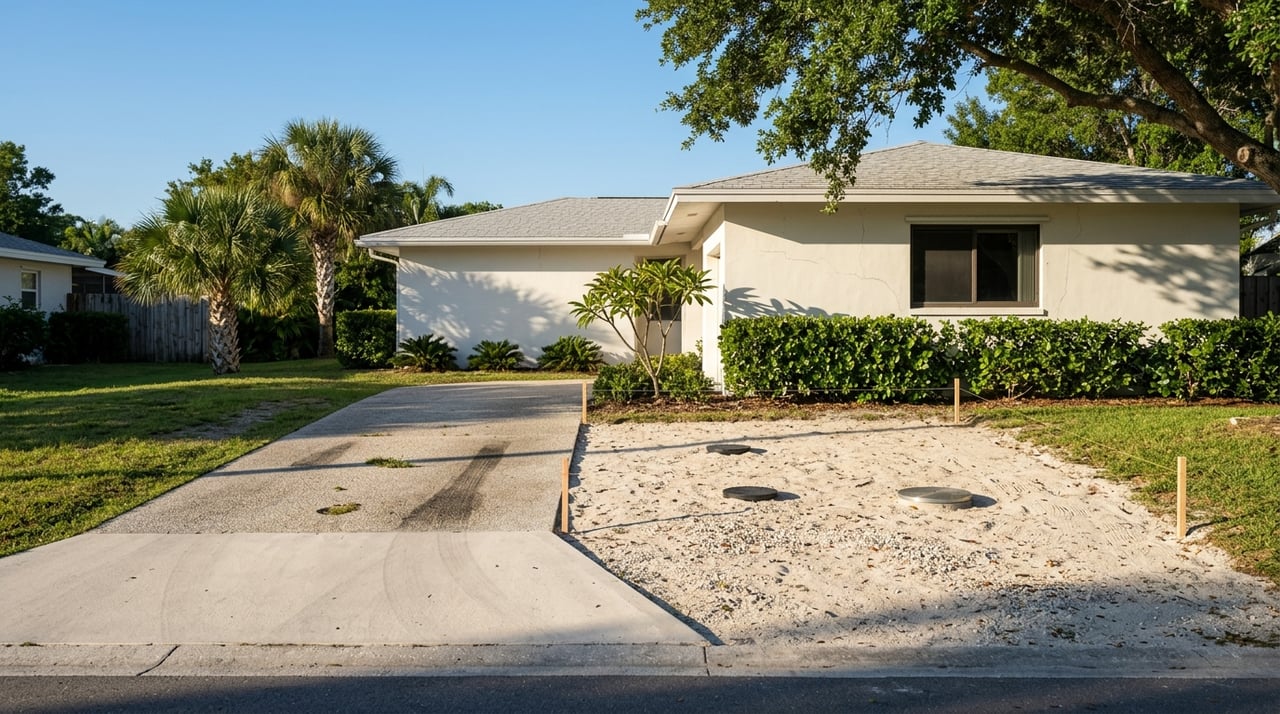
Buying a Teardown Lot on Davis Islands With Confidence
Thinking about buying a tear-down or buildable lot on Davis Islands? You are not just shopping for land. You are evaluating how a future home will fit into one of Tampa’s most established waterfront neighborhoods, where lot conditions, flood rules, trees, setbacks, and waterfront details can shape what is actually possible. This guide will help you understand what to review before you make an offer and where buyers often run into surprises. Let’s dive in.
Davis Islands works more like a redevelopment market than a vacant-land market. The neighborhood was created in the 1920s from two natural islands at the mouth of the Hillsborough River, and today it is a built-out area with residential and retail uses, parks, water views, Peter O. Knight Airport, Tampa General Hospital, the municipal yacht basin, and other community amenities.
For most buyers, that means opportunities tend to come in the form of tear-down homes, replacement-home sites, or select infill lots. You are usually not choosing from large blocks of raw land. Instead, you are trying to place a new home into an existing streetscape with established homes, mature trees, and a strong neighborhood identity.
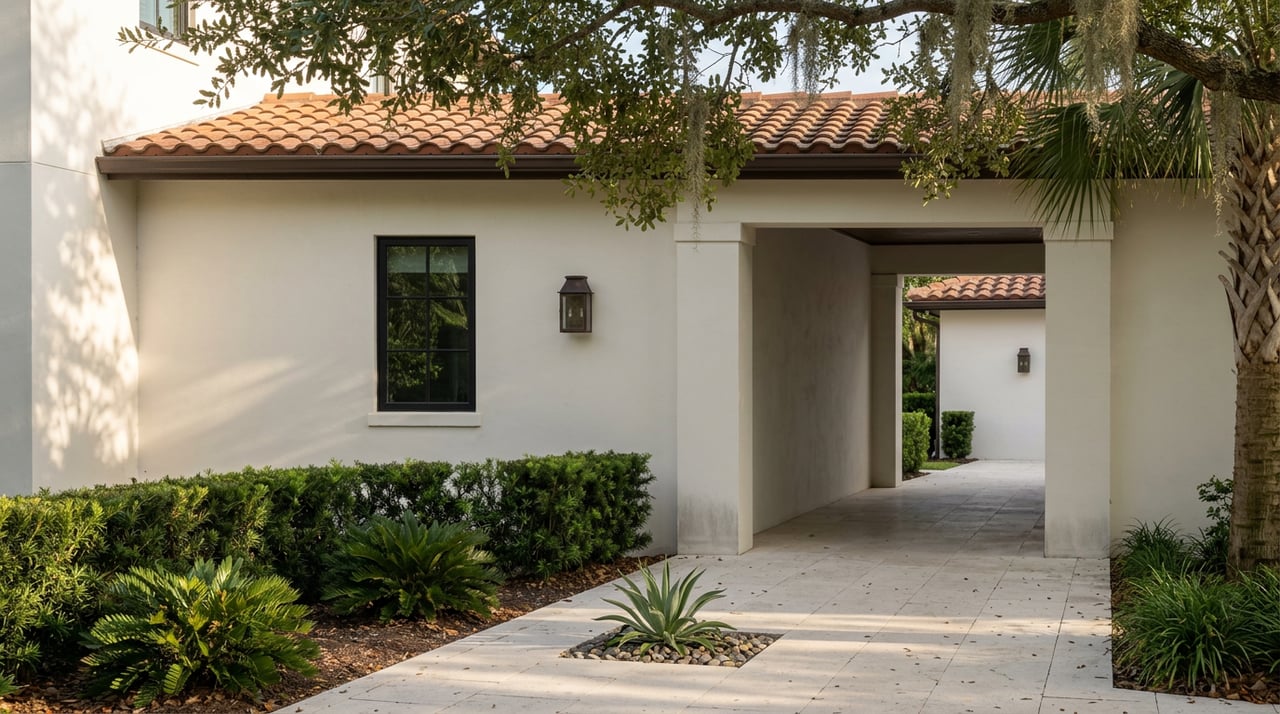
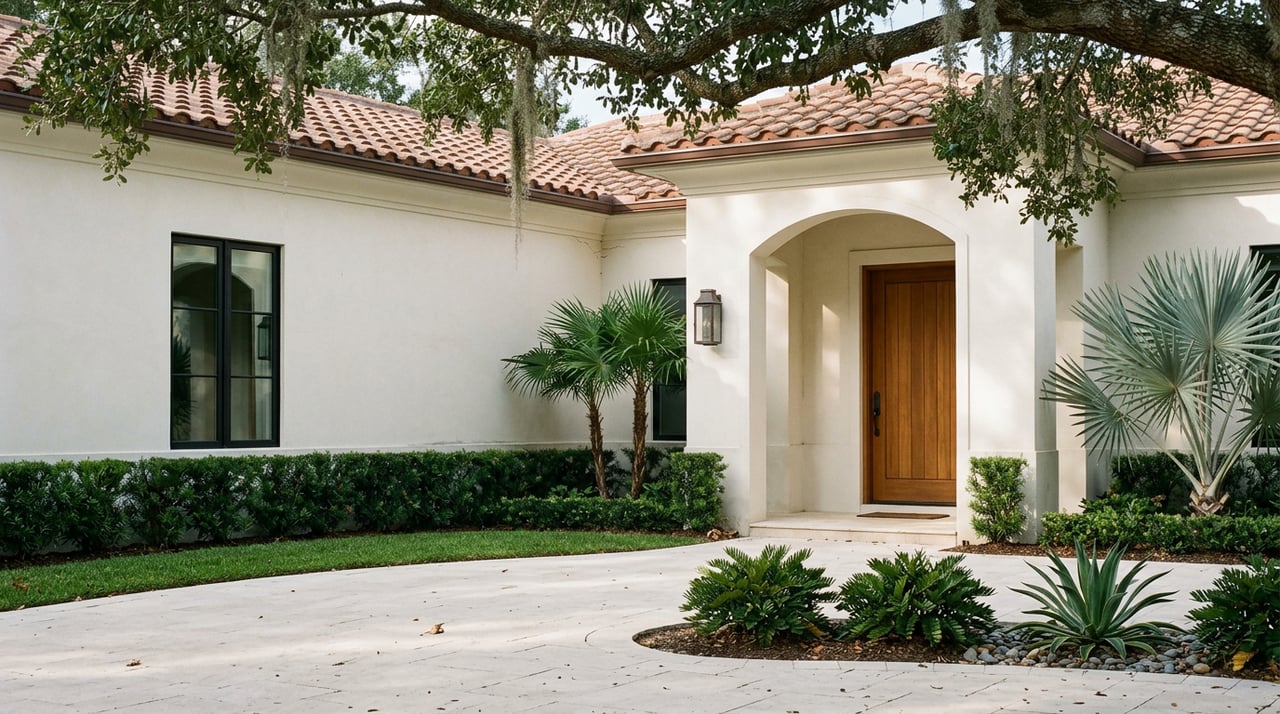
A great Davis Islands lot is not just one with enough square footage. It is one that supports your plans while fitting the neighborhood’s existing pattern. The area was planned around Mediterranean Revival architecture, winding streets, canals, palms, parks, and a strong relationship between homes, sidewalks, and open space.
That matters because the best sites often allow a new house to sit comfortably within the rhythm of the street. Rooflines, scale, frontage, and the lot’s orientation can all affect whether a plan feels straightforward or challenging from the start.
On interior streets, buyers should look closely at how neighboring homes sit on their lots. Even if zoning allows a certain envelope, a home that feels out of step with the block may create design challenges during planning.
The neighborhood plan emphasizes low-scale buildings, tree-lined streets, pedestrian orientation, public access to water, parks, and historic structures. In practical terms, that means a lot that looks simple online may require more thought once your architect starts testing massing, setbacks, and site layout.
Waterfront property on Davis Islands can be especially appealing, but it also comes with added complexity. Tampa’s zoning code treats waterfront property separately in some cases, including yard and site considerations for land that abuts open water, canals, bays, bayous, and similar navigable waterways.
If you are looking at canal-front or bay-front property, ask early how the site’s waterfront position may affect setbacks, design, access, and structural planning. You should also review the condition of any existing seawall and whether dock or shoreline work may be part of your future budget.
One of the biggest mistakes buyers make is assuming the same rules apply across the entire neighborhood. Davis Islands includes recognized historic resources and a strong original architectural theme, but that does not mean every lot is governed in the same way.
The National Park Service recognizes Mediterranean Revival Style Buildings of Davis Islands as a National Register multiple property listing, and the City of Tampa’s designations inventory includes the Roy Jenkins Swimming Pool as a local landmark. Before you assume a house can be demolished or heavily altered, confirm whether the specific parcel or structure has any local or national designation.
Historic review questions can affect demolition plans, exterior changes, and overall design direction. The City of Tampa’s historic preservation office notes that local review commissions oversee development involving locally designated historic districts and landmarks using established design guidelines and rehabilitation standards.
Even if a property is not subject to the same level of review as another nearby site, you want answers before you spend heavily on design work. A quick assumption here can become an expensive delay later.
Before you write an offer on a tear-down or buildable lot, make sure your review goes beyond the home’s appearance and the seller’s marketing language. On Davis Islands, the difference between a workable lot and a frustrating one often comes down to details that are easy to miss.
Start with the City of Tampa’s official zoning map and verify the property’s zoning, setbacks, height limits, and any overlay rules. The city states that the Land Development Code controls permitted uses and development standards, including setbacks, maximum height, and the size of secondary buildings.
This is the baseline for what may be possible on the lot. If your goal is a substantially larger replacement home, this step should happen before you get emotionally attached to the property.
Do not rely on city permit review to catch private restrictions. The City of Tampa specifically notes that permit review does not check private covenants or deed restrictions.
That means a property may be buildable under city code and still be limited by private restrictions in the deed or title history. You should review the survey, plat, title policy, and any deed restrictions early in the process.
Flood review should happen at the beginning, not after contract. If the property is in a FEMA Special Flood Hazard Area, the City requires an elevation certificate with the permit application.
Tampa also notes that if improvements exceed 50% of a home’s value in an A or V flood zone, the structure must be brought into compliance with current code standards, including elevation above base flood elevation. For a buyer considering whether to renovate or tear down, this can have a major effect on cost and strategy.
Mature trees are part of the neighborhood’s character, but they can also affect your building plan. Tampa states that construction-related tree removal is evaluated during the building permit review process.
If additional tree removals come up after permit issuance, a plan revision is required. The city also notes that grand tree removal requires public notice, so tree impacts should be part of your initial feasibility review.
If the lot is on the water, do not wait to inspect shoreline conditions. Tampa’s residential seawall extension guide requires a survey, a signed and sealed wall section with structural details, an EPC permit, and Tampa Port Authority approval.
Even if you are not planning immediate seawall work, understanding the condition and compliance path matters. A waterfront lot’s true cost can look very different once seawall or related site work enters the picture.
New construction and major redevelopment projects require a full permit and inspection process. The City states that permit-required work must be inspected and receive final approval, and contractors must be licensed.
For buyers, this is a reminder to plan for a real timeline. On Davis Islands, a smooth project usually starts with realistic expectations, not rushed assumptions.
Most buyers considering a tear-down or buildable lot are really trying to answer three core questions: Can I tear it down? Can I build what I want? Can I trust permit approval alone?
The answer to each is: maybe, but only after careful review. Demolition potential, home size, and final feasibility depend on zoning, setbacks, flood rules, title restrictions, tree impacts, historic status, and waterfront conditions where applicable.
On Davis Islands, lot buying is rarely a solo exercise. Because you are often balancing design goals with existing neighborhood conditions, a good local team matters from the beginning.
A strong buyer-side team often includes a local architect, surveyor, civil engineer, builder, and, for waterfront lots, a seawall professional and an arborist. That mix is especially useful in a neighborhood where low-scale development, tree canopy, stormwater sensitivity, and public access to water and parks remain important planning themes.
Every mature neighborhood has its own logic, and Davis Islands has a very specific one. A lot can look perfect in photos but prove difficult once site dimensions, flood conditions, tree placement, or waterfront details are fully understood.
Working with people who understand the neighborhood can help you identify red flags sooner and move forward with more confidence. That is especially important when you are making decisions about a premium property where mistakes can be costly.
The appeal of Davis Islands is not just the chance to build something new. It is the chance to create a home that fits into a mature, waterfront, design-conscious setting with lasting appeal.
That is why buying here takes more than a quick land search. If you approach the process with the right due diligence and the right local guidance, you can make a smarter decision about whether a lot is truly buildable for your goals.
If you are exploring a tear-down, waterfront site, or buildable lot on Davis Islands, Onyx Collective can help you evaluate the opportunity with a local, strategic lens.
Stay up to date on the latest real estate trends.
We bring a fresh and dynamic approach to real estate, driven by a commitment to excellence and a passion for helping our clients achieve their dreams.

3615 BROMLEY GRAND AVE #230 TAMPA FL 33607