Selling a Historic Hyde Park Home With a Smart Marketing Plan
What makes a buyer fall for a historic home online before they ever step inside? In Historic Hyde Park, it is rarely just square footage or finish choices. You are selling architecture, location, and a sense of place all at once. When you pair that story with smart preparation and polished digital marketing, you can position your home more effectively and attract serious buyers. Let’s dive in.
Historic Hyde Park holds a special place in Tampa. The City of Tampa describes it as the city’s oldest existing neighborhood, known for homes that reflect Florida architectural character from the 1920s and 1930s.
That history matters when you sell. Buyers are often drawn to the neighborhood’s recognizable identity, along with access to Old Hyde Park Village, Bayshore Boulevard, and downtown Tampa. In other words, your listing is not only about the house itself. It is also about how the home fits into one of Tampa’s most established historic settings.
A historic Hyde Park home should not be marketed like a standard resale. Buyers want to understand what makes the property distinct, how it lives today, and whether its character has been thoughtfully maintained.
That means your marketing should do two things well. First, it should showcase original charm and architectural detail. Second, it should clearly present the home as functional for modern living.
Before you think about photos, staging, or pricing, take a close look at the home’s condition and any recent or planned exterior work. In a local historic district, visible changes can involve more than personal taste.
Tampa’s Historic Preservation office oversees changes in local historic districts and uses the Certificate of Appropriateness process for new construction, additions, and exterior repairs. Some applications may be approved by staff, while others may require a public hearing.
If your home is in Historic Hyde Park, confirm whether it is considered contributing or non-contributing before making assumptions about what work is simple. The city uses district maps as a tool, but it also warns owners not to rely on the map alone as the sole guide.
This step is especially important because the Hyde Park district expanded on January 5, 2023, adding 184 buildings. If you have owned your home for years, your property’s context may deserve a fresh review before listing.
The Hyde Park Design Guidelines call out a range of exterior and site details that can affect historic character. These include items like dormers, screen enclosures, fences and walls, artificial siding, signs, and lighting.
If you are considering last-minute updates before selling, be careful not to treat a historic home like a quick cosmetic flip. A better strategy is to focus on repair, compatibility, and preservation of character-defining features.
For many sellers, the safest pre-listing improvements are the ones that protect the home’s appearance without changing its identity. Thoughtful maintenance often supports value better than overly aggressive modernization.
If something needs attention, ask whether it can be repaired first. If replacement is necessary, it should be visually sympathetic to the existing structure and remain subordinate to the historic home.
Selling a historic home does not mean freezing it in time. It means making choices that respect the structure while helping buyers see how the home works for life today.
That balance matters in Historic Hyde Park. The strongest listings present the property as both historic and livable, not as a preservation project.
As you prepare your home for market, think about the features buyers will use every day. Natural light, flow between rooms, outdoor living areas, storage, and updated systems all matter, even in a historic property.
Your marketing should explain careful updates in a clear, factual way. If you have improved functionality while preserving architectural character, that is part of the story buyers want to understand.
Interior presentation can often carry the modern side of the story more safely than rushed exterior changes. Since Tampa’s review process explicitly covers new construction, additions, and exterior repairs, any visible outside work deserves extra caution.
If you are unsure about replacing exterior materials, altering roofline details, adding fencing, or enclosing outdoor space, review city expectations before moving forward. Taking that step can help you avoid delays and protect the home’s appeal.
Once the home is ready, your digital presentation has a major impact on buyer response. This is where historic homes can shine when marketed correctly.
National buyer behavior research shows that visuals strongly influence interest. Buyers’ agents report that listing photos, physical staging, videos, and virtual tours are among the most important tools in the home search process.
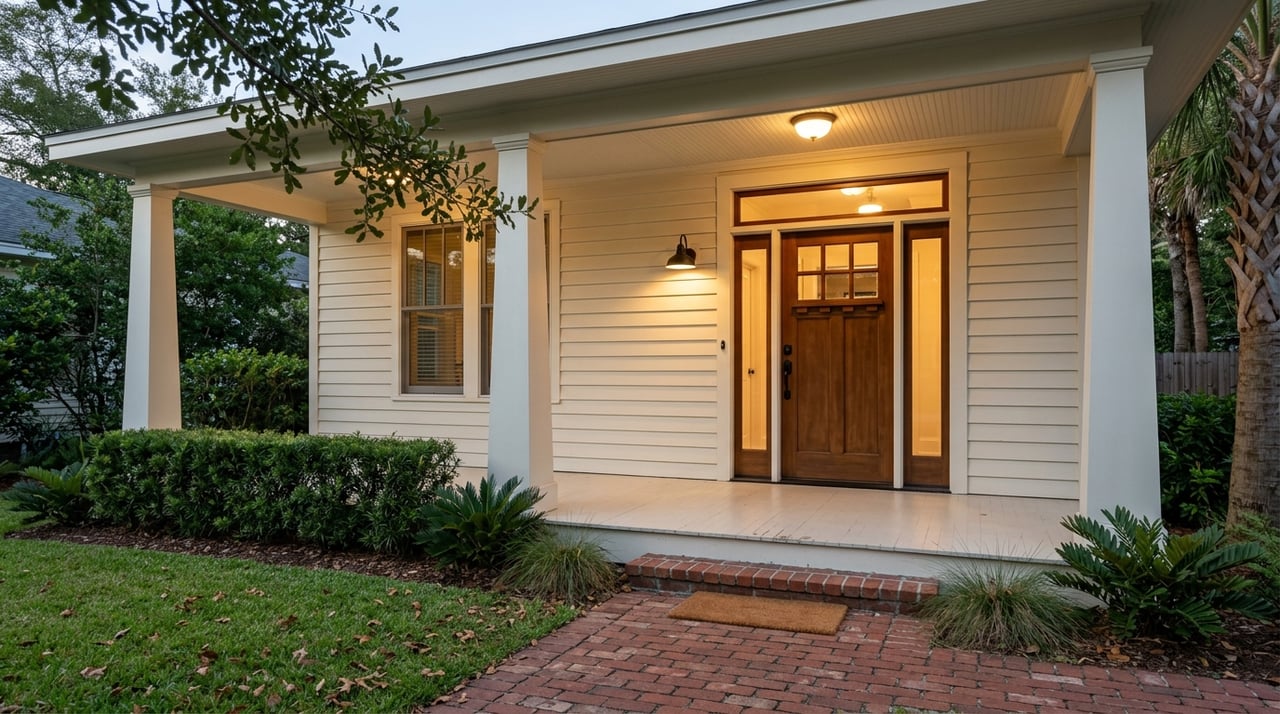
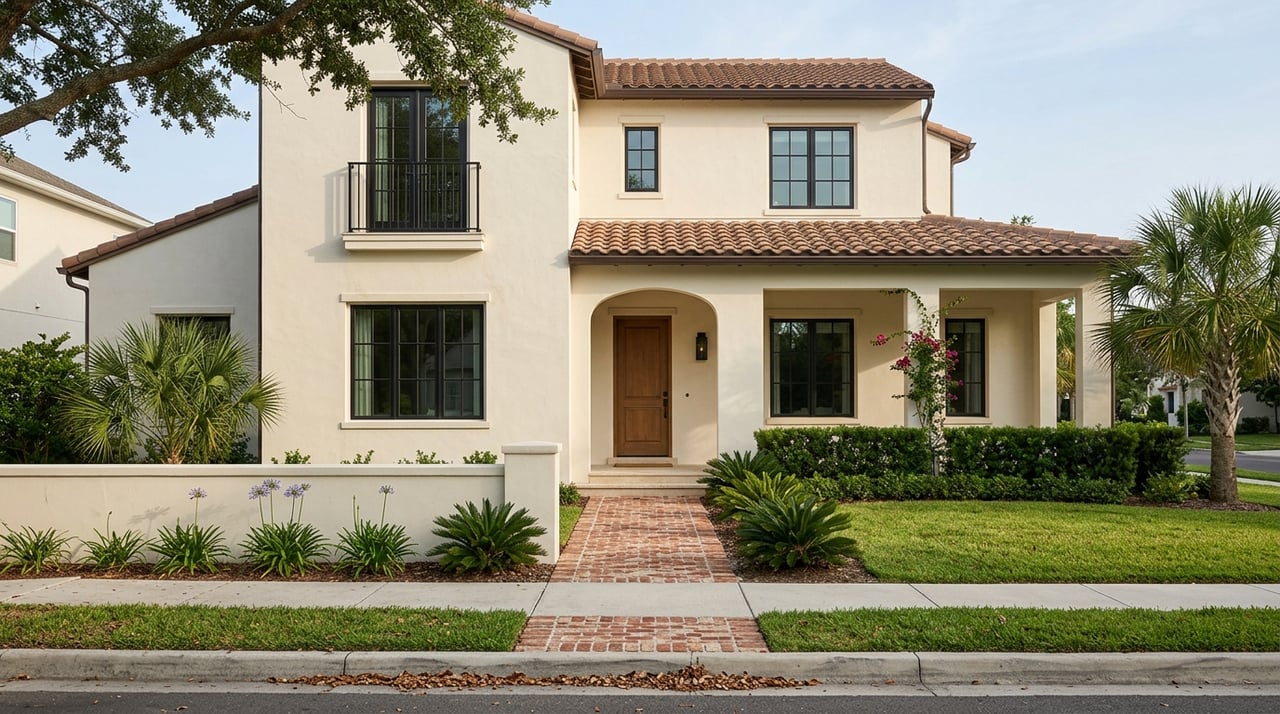
For a Historic Hyde Park listing, photography should capture more than rooms. It should show architectural details, scale, light, curb appeal, and the way the home connects to its setting.
A buyer scrolling listings may pause because of a front porch, original windows, mature landscaping, or a beautifully framed living space. Strong images help communicate that emotional pull right away.
Staging is especially useful in older homes with distinctive layouts or finishes. According to NAR’s 2025 Profile of Home Staging, 83% of buyers’ agents said staging made it easier for buyers to visualize the home as a future home.
That same research found that 49% of sellers’ agents said staging reduced time on market. Another 29% said it increased the dollar value offered by 1% to 10%.
Historic homes often have details that are easier to appreciate through motion and flow than through still photos alone. Video and virtual tours can help show room relationships, ceiling height, natural light, and transitions between indoor and outdoor spaces.
For buyers relocating to Tampa or narrowing options online, that extra context can make your home feel more tangible before a showing is ever scheduled.
In Historic Hyde Park, the best marketing does more than list features. It explains why the home matters and how it fits into everyday life.
That story should connect the property’s architectural heritage with the neighborhood’s modern vitality. The City of Tampa highlights Hyde Park’s historic fabric, Bayshore access, Old Hyde Park Village, and proximity to downtown. Those are meaningful location details that help buyers picture the lifestyle around the home.
A strong listing narrative should answer questions buyers may already have, such as:
When those answers are clear, the home feels more understandable and more memorable.
Great marketing is not only about exposure. It is also about credibility, strategy, and local knowledge.
NAR research shows that agents remain the most-used and most-trusted information source in the buying process, ahead of online listings. It also reports that 88% of buyers purchased through an agent or broker.
For a historic Hyde Park sale, that matters because buyers often need context. They may have questions about architectural character, neighborhood identity, updates, and how to compare a historic property with newer alternatives in South Tampa.
If you want to maximize your result, your plan should combine thoughtful preparation with premium presentation. In practical terms, that often means:
That kind of strategy respects what makes a Hyde Park home unique while meeting buyers where they actually search today.
Selling a historic home can feel more complex than selling a newer property, but it also creates a real opportunity. When your home is presented with care, buyers can see both its heritage and its place in modern Tampa living.
That is where a tailored, high-touch approach can make a difference. If you are thinking about selling in Historic Hyde Park, Onyx Collective can help you shape the right preparation and marketing plan for your home.
Stay up to date on the latest real estate trends.
We bring a fresh and dynamic approach to real estate, driven by a commitment to excellence and a passion for helping our clients achieve their dreams.

3615 BROMLEY GRAND AVE #230 TAMPA FL 33607