Beach Park Tampa News: The Changes Residents Need to Watch
Walk or drive through Beach Park this month and you'll notice two things happening in and near the neighborhood, each at a different stage and moving on an entirely different clock. On one side, homeowners are organizing against a proposed tower before a City Council vote that hasn't happened yet. On the other, nearby WestShore Plaza is already sold, already rezoned, and headed for demolition on a timeline nobody, including the buyer, has announced.
These two stories get talked about separately because they involve different addresses, different developers, and different sets of neighbors. Together, they show two stages of neighborhood change: at 5600 Mariner Street, a City Council decision is still ahead. At WestShore Plaza, the zoning decision was made in 2024.
According to Fox 13, Northwood Ravin wants to tear down an existing office building at 5600 Mariner Street and replace it with an 11-story tower holding 280 residential units and 6,000 square feet of office space. Homeowners in Beach Park have organized against the scale of the project, not the idea of redevelopment itself. A coalition of neighborhood HOAs formed the Beach Park Preservation Society specifically for this fight, and its members plan to wear matching "Downsize 5600 Mariner" shirts to Tampa City Council's public hearing on September 10 at 5 p.m. The group has collected close to 200 signatures on its petition.
Resident Rocky Shirey connected the concern to something more immediate than aesthetics: the area, he said, is still recovering from the 2024 hurricane season, and adding hundreds of new residences would create dangerous cut-through traffic on streets that weren't built for that kind of volume. Northwood Ravin has hired traffic and engineering consultants to study the impact, and says any required road upgrades would move through Tampa's standard development review process.
What matters here is the calendar. September 10 is a real date on a real agenda. Whatever gets decided that evening, or whatever compromise gets negotiated before it, will be shaped in part by how many residents show up, how organized the opposition is, and how the traffic study lands with council members. This is the version of neighborhood change that residents can still push on.
WestShore Plaza tells a different story, because its zoning question was settled back in 2024. According to Tampa Bay Beacon, Tampa City Council approved a mixed-use rezoning for the 54-acre site under the mall's previous owner, Washington Prime Group, well before anyone knew who would eventually buy it. That approval covers shopping, restaurants, office space, apartments, medical offices, a recreational facility, and a transit bus station.
This summer, Third Lake Partners purchased the mall from Washington Prime Group for $135 million, according to a deed filed with the Hillsborough County Clerk's office, and is partnering with St. Petersburg-based Echelon on the redevelopment. That works out to roughly $2.5 million an acre for a property whose retail tenants are leaving fast. Tampa realtor Vincent Arcuri, who keeps an office inside the mall, said stores have been closing at a ratio of about five to one over the past six months. Third Lake Partners has said it doesn't plan to make significant changes to the 2024 plans. Founder Robert Forsythe framed the purchase as a chance to reimagine a well-known property into a modern destination, while managing partner Luke Thomas described the goal as bringing housing, jobs, services, and entertainment together in one place.
None of that means the wrecking ball shows up next month. As of early August, no demolition permit had been filed, and there's still no announced date for when the mall closes for good. Small business owners inside are caught in the gap. Erik Swope-Wise, who has run the Urban Native Store in the mall for six years, said the loss of anchor tenants has already hurt foot traffic, and now he's fielding customer confusion about whether he's even still open. His message, for now, is to keep shopping and support the businesses that remain. The standalone restaurants along the mall's perimeter, including Seasons 52, Maggiano's Little Italy, P.F. Chang's, and Besito, sit outside the enclosed structure most likely to face the biggest changes, which puts them in a better position to survive the transition than the interior retailers.
WestShore Plaza opened in 1967 as Tampa's first fully air-conditioned shopping center, and it has been part of the daily backdrop for Beach Park ever since. Its 2024 zoning approval covers mixed uses, but no closure or demolition date has been announced.
| 5600 Mariner Street | WestShore Plaza | |
|---|---|---|
| Zoning status | Still pending, City Council vote Sept. 10 | Already approved in 2024, before current sale |
| What's confirmed | Proposal for an 11-story, 280-unit tower | $135 million sale to Third Lake Partners |
| What's still unknown | Whether the project gets scaled back or approved as-is | Demolition permit date, mall closure date |
| Who's organized | Beach Park Preservation Society, nearly 200 petition signatures | WestShore Alliance backing the redevelopment, small tenants seeking clearer answers |
If you live on or near the streets that feed into Mariner Street, September 10 is the date to put on your calendar, whether that means attending the hearing, reviewing the traffic study once it's available, or simply watching how the vote lands. This is the rare case where a decision that affects your daily commute is still being made in public, in real time.
If you rely on WestShore Plaza for anything beyond the restaurants along its edge, plan for that reliance to shrink gradually rather than end abruptly. Nobody, not the seller, not the buyer, not the city, has put a date on when the interior stores close or when demolition equipment shows up. That absence of a timeline is itself the useful information: don't build your routine around an announcement that hasn't happened, and don't assume you have months of warning once it does.
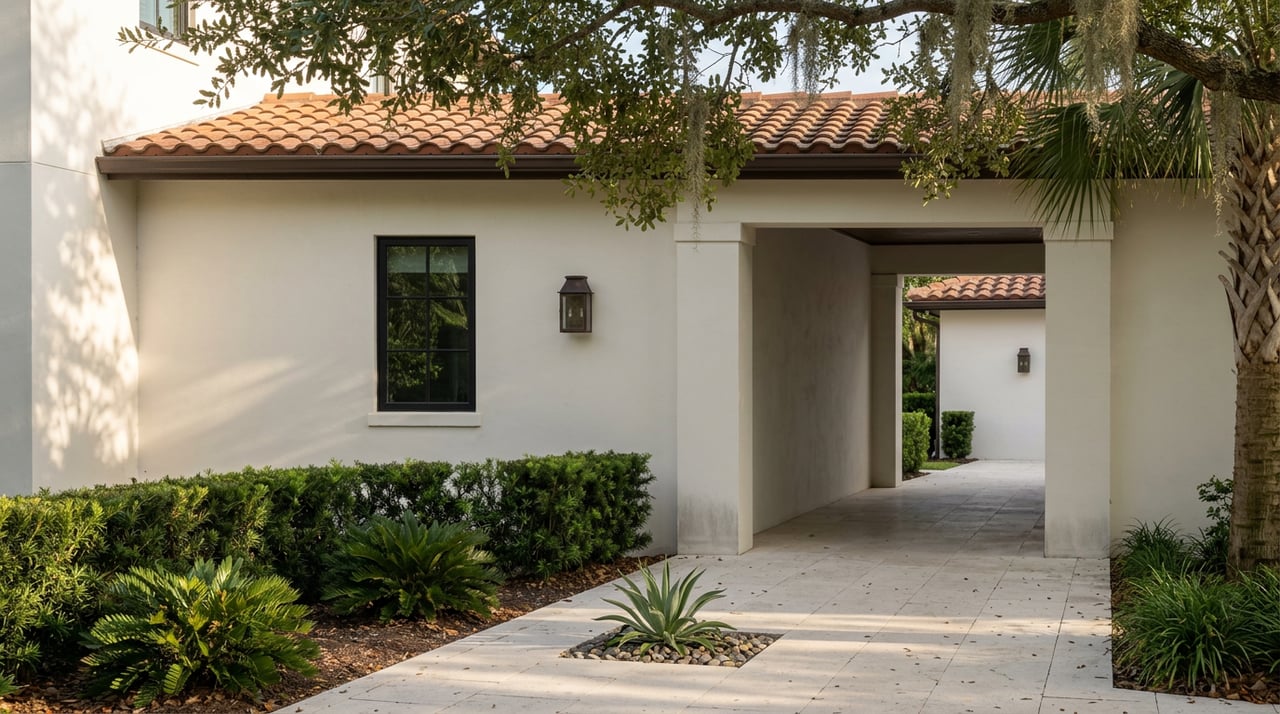
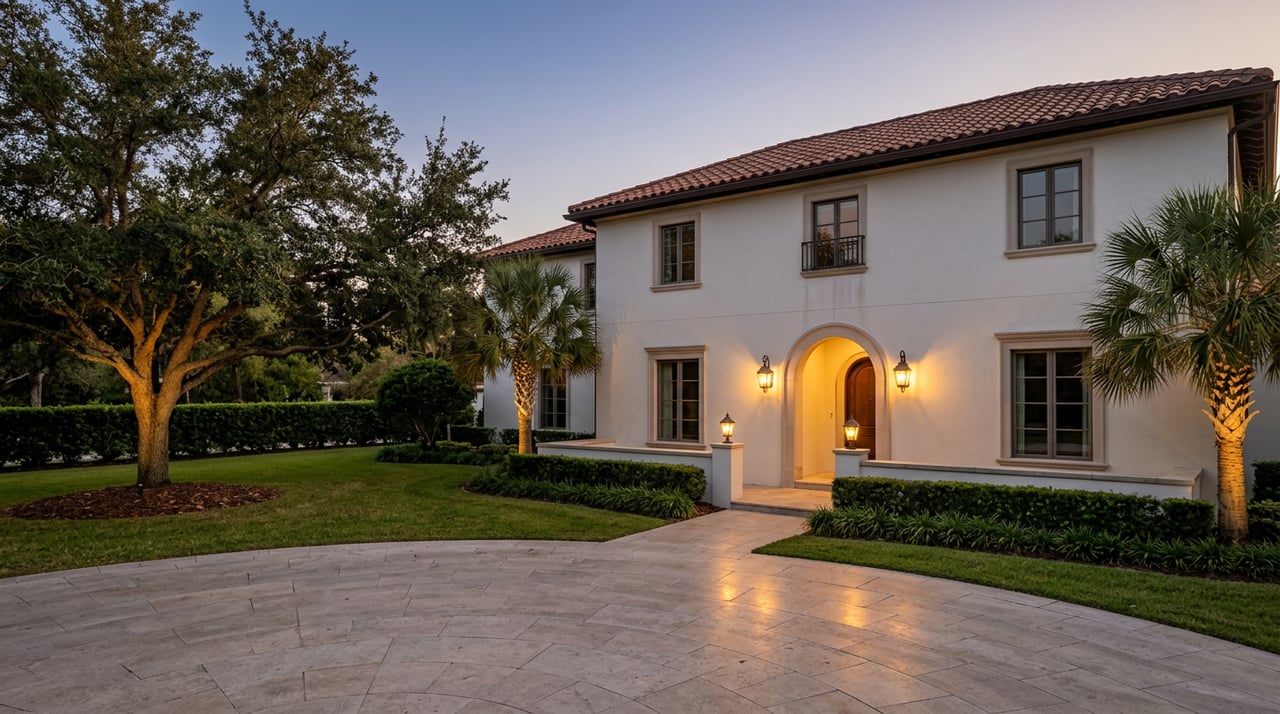
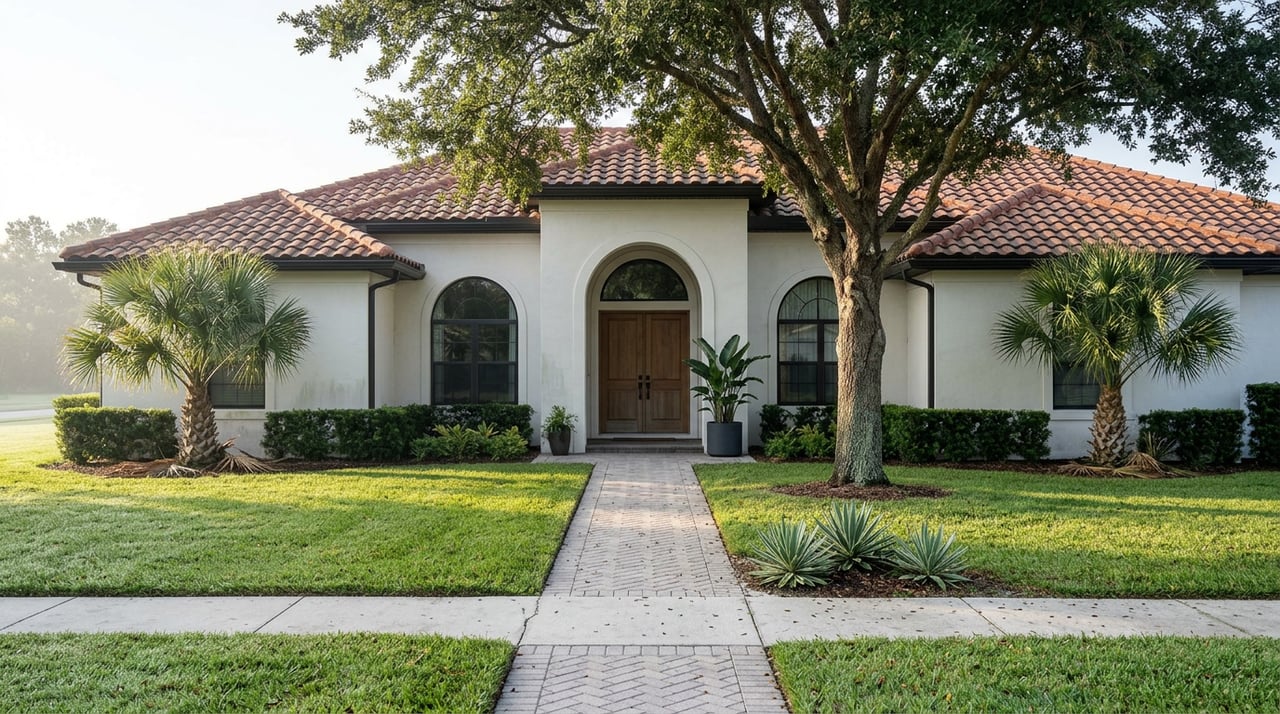
Beach Park has always been the kind of place where change moves slowly by design. Oak-lined streets, oversized lots, and original Mediterranean-style mansions from the 1920s don't get replaced overnight, and that's part of what draws people to the neighborhood in the first place. But the edges of Beach Park, the office parcel on Mariner Street and the aging mall nearby, are where that slow pace runs into a different kind of pressure. The Mariner Street proposal is awaiting a council decision. WestShore Plaza's zoning was approved in 2024, but its closure and demolition dates have not been announced.
For a fuller look at what makes Beach Park's streets and housing stock distinct, our neighborhood guide to Beach Park covers the history and layout in more depth.
If either of these projects has you wondering what a changing WestShore corridor means for your own property's value, Onyx Collective offers a free home valuation that accounts for exactly this kind of neighborhood shift, not just a generic estimate.
Stay up to date on the latest real estate trends.
We bring a fresh and dynamic approach to real estate, driven by a commitment to excellence and a passion for helping our clients achieve their dreams.
3615 BROMLEY GRAND AVE #230 TAMPA FL 33607