Understanding Bayshore Beautiful Home Prices Today
What really moves prices in Bayshore Beautiful? If you are sizing up a sale or planning a purchase, it helps to know which features buyers pay for and how local factors can nudge values up or down. The right strategy can add thousands to your bottom line, while blind spots can stall your goals. In this guide, you will learn the five drivers that shape pricing in Bayshore Beautiful, plus practical ways to measure value and prepare your next move. Let’s dive in.
Living near Bayshore Boulevard is a lifestyle choice as much as a housing decision. Easy access to the waterfront sidewalk, views across the bay, and daily runs or sunset walks are emotional triggers for many buyers. Homes closest to the boulevard often sit near the top of the neighborhood price range because the experience is hard to replicate elsewhere.
In practice, you see a gradient. Properties with direct water views tend to command the strongest prices, while homes a block or two back still benefit from short walking distance. When inventory is tight, that proximity premium can be more visible, and when the market softens, condition and pricing discipline matter more.
To gauge the effect on a specific home, group recent sold comps by distance to the boulevard. Compare price per square foot and days on market across three clusters: 0–1 block, 1–2 blocks, and 2+ blocks. Keep an eye on condition and renovation level so you do not confuse location premium with upgrade premium.
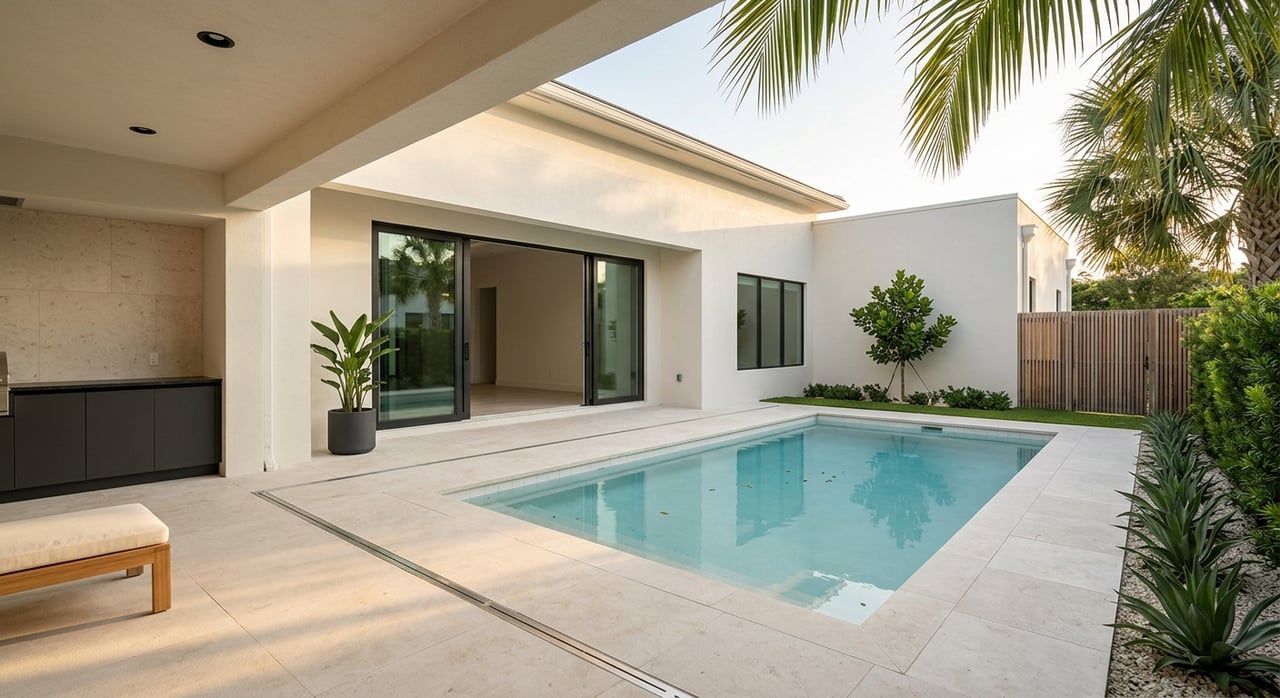
Usable outdoor space is scarce in mature city neighborhoods, and buyers here notice. A wider or deeper lot can create room for a pool, outdoor kitchen, screened porch, or a future addition. That flexibility often translates into stronger resale and broader appeal.
In Bayshore Beautiful, you will find a mix of classic bungalows on modest lots and larger parcels that have been redeveloped with modern homes. When a lot accommodates a pool plus green space, or allows a garage, you often see improved marketability. Awkward shapes or tight setbacks, by contrast, can limit options and affect pricing.
To assess value, pull parcel sizes from local records and compare recent sales by lot area and yard usability. Look for patterns where larger lots paired with quality outdoor improvements achieved stronger prices or faster sales. Buyers should also evaluate privacy, sunlight, and layout, not just raw square footage.
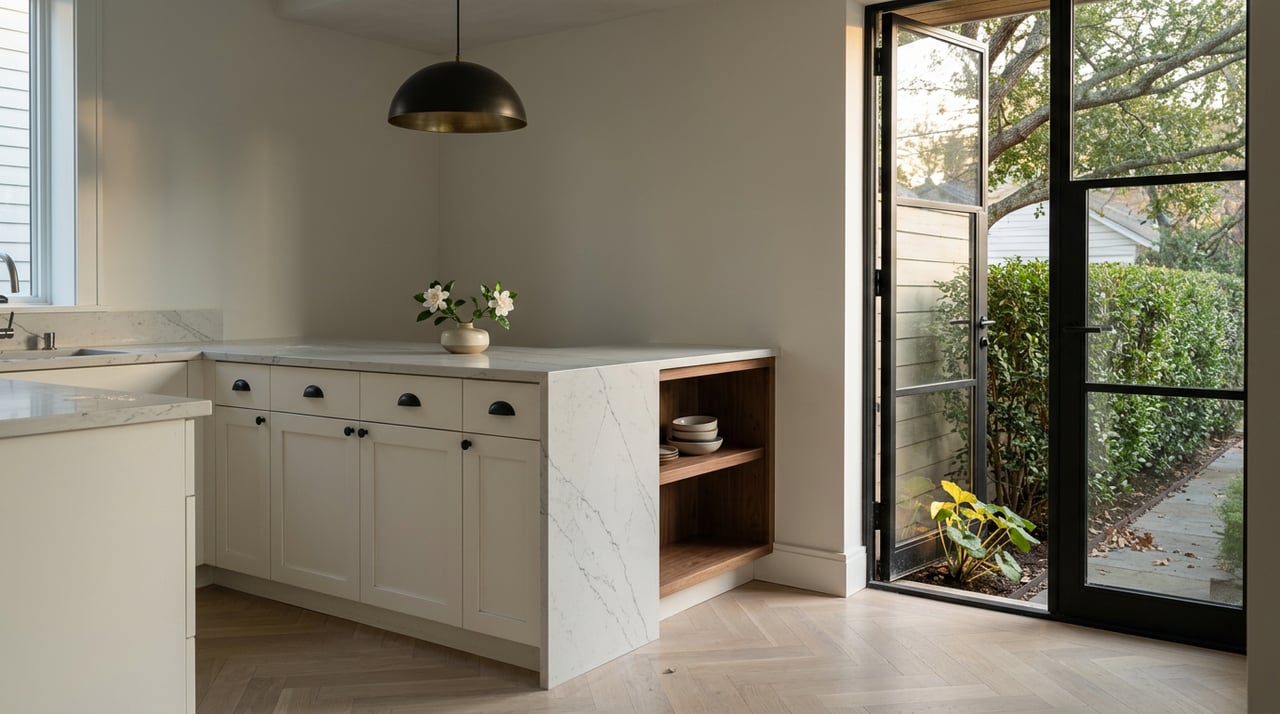
Buyers weigh what they see and what they cannot see. Kitchens and baths set the tone, but major systems, roofing, plumbing, electrical, and permitted structural work often decide how confident a buyer feels about a home. Thoughtful, well-documented renovations usually sell for more and move faster. Unpermitted work or mismatched finishes can drag on price or trigger inspection and insurance concerns.
Bayshore Beautiful’s housing stock spans historic charm and sleek rebuilds. Both can perform well when the design fits the street and the scale feels right. An ultra-modern interior can shine, but if it clashes with the block or overlooks key systems, the market may not reward it at the top tier.
When preparing to sell, gather permits, receipts, and warranties so buyers can verify the work. Buyers should compare renovated listings to non-renovated comps and note days on market, price adjustments, and inspection outcomes. Focus on quality of materials, craftsmanship, and proper permits alongside style.
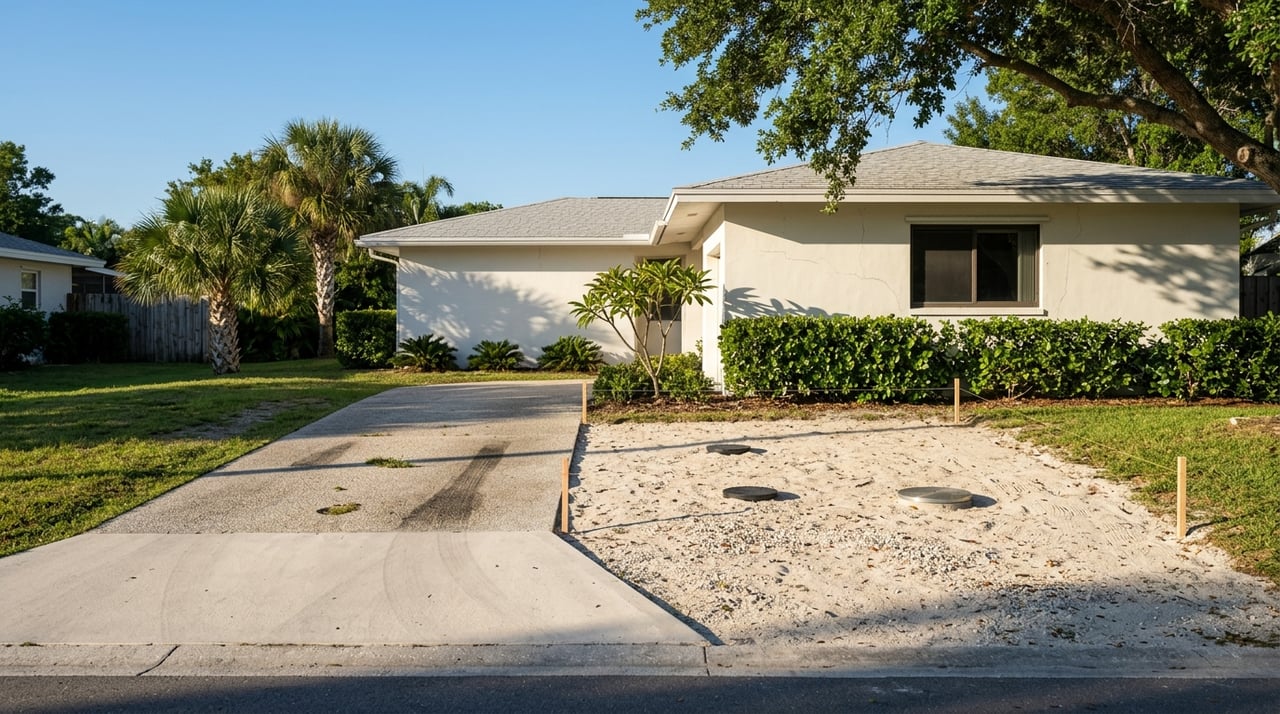
Off-street parking is a big quality-of-life factor in a walkable, in-demand corridor. A garage or reliable driveway space gives you weather protection, storage, and convenience for entertaining. Where street parking is tight near recreational areas or small commercial nodes, homes without off-street options can face resistance.
If you have space to add parking, check what is allowed and how the change would look on the street. Narrow lots or certain blocks may limit driveway or garage options, so plan ahead. Buyers should confirm the number of off-street spaces, garage size, and access, and consider daily routines like school pick-ups or weekend events when parking fills curb space.
In sales data, note how homes with garages compare to similar properties without them on price per square foot and days on market. You will often see smoother sales and stronger reviews for homes with secure, convenient parking.
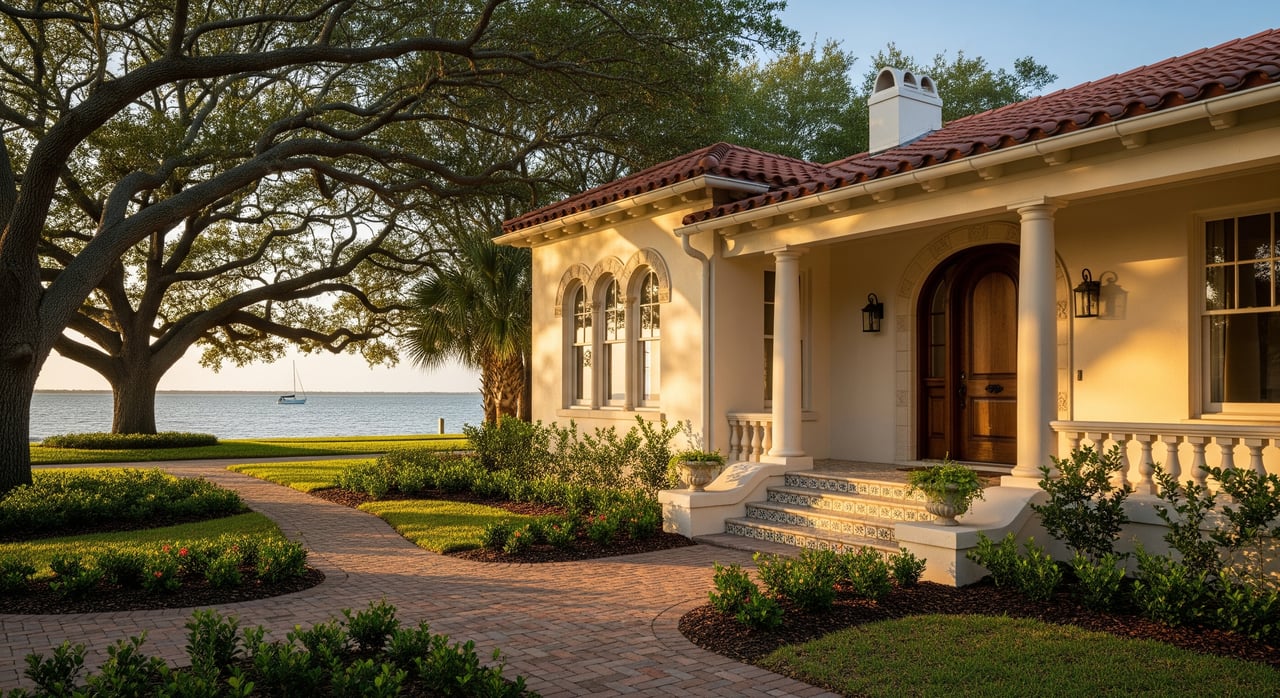
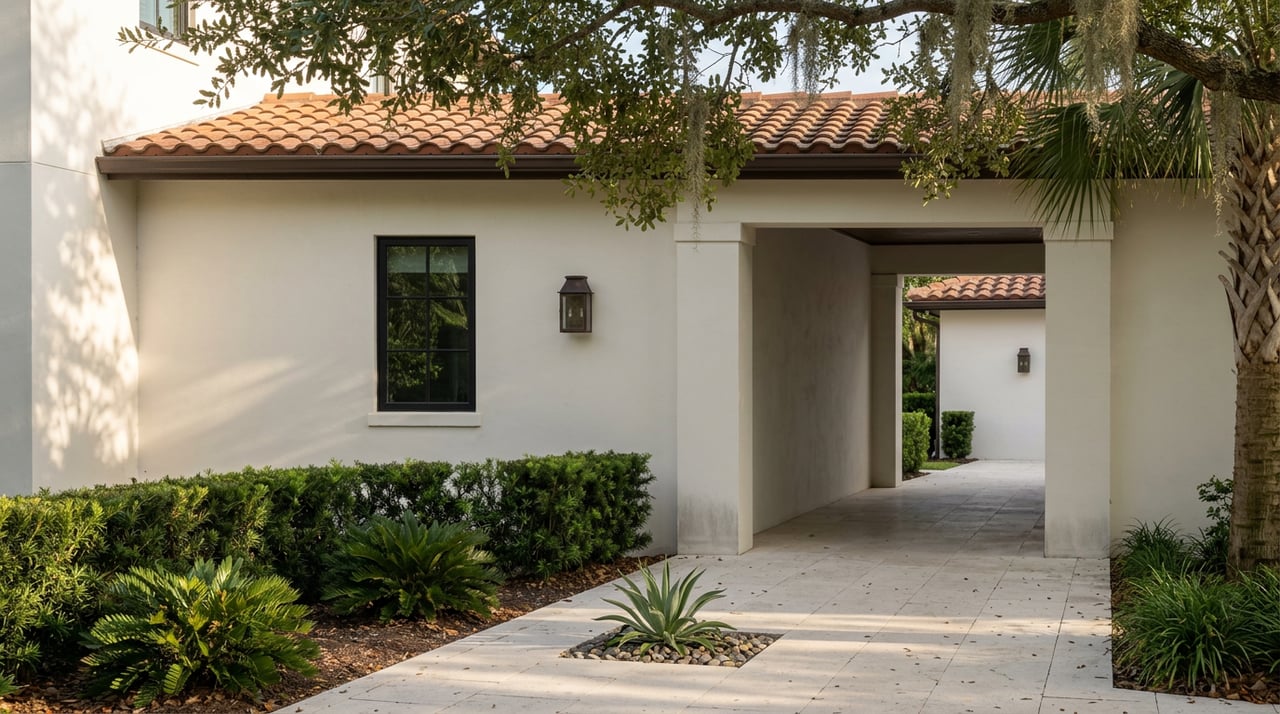
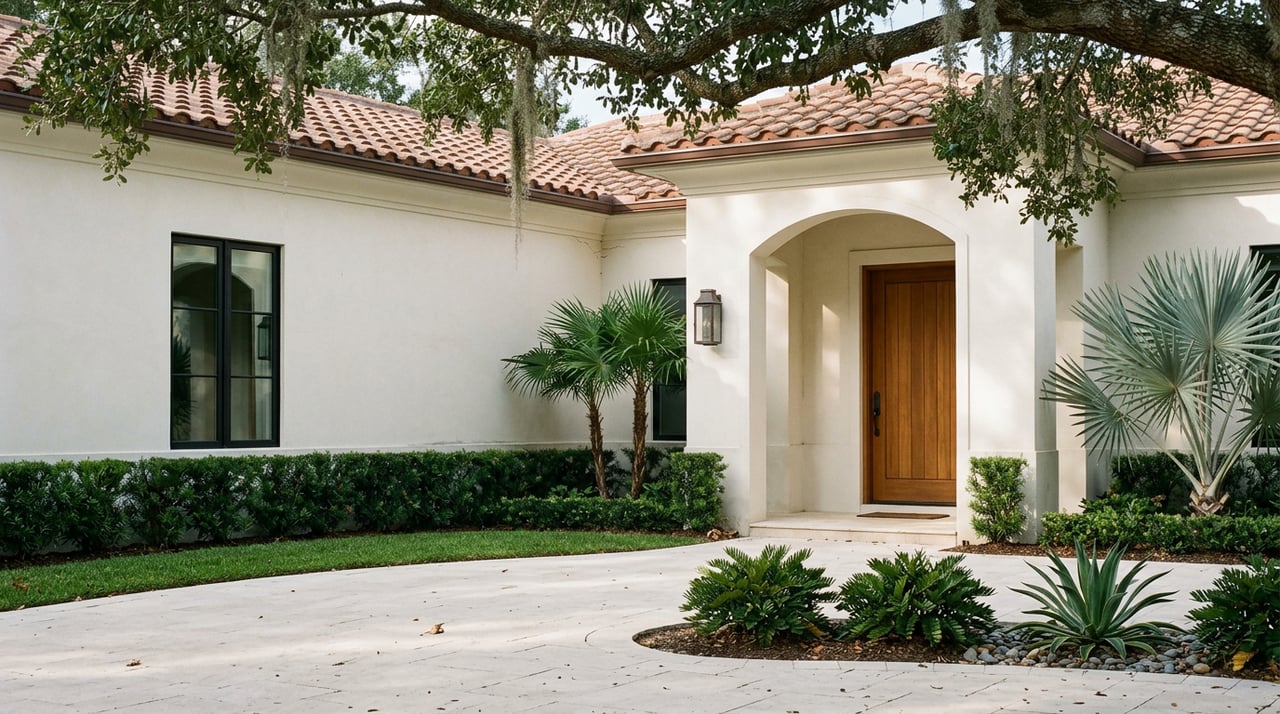
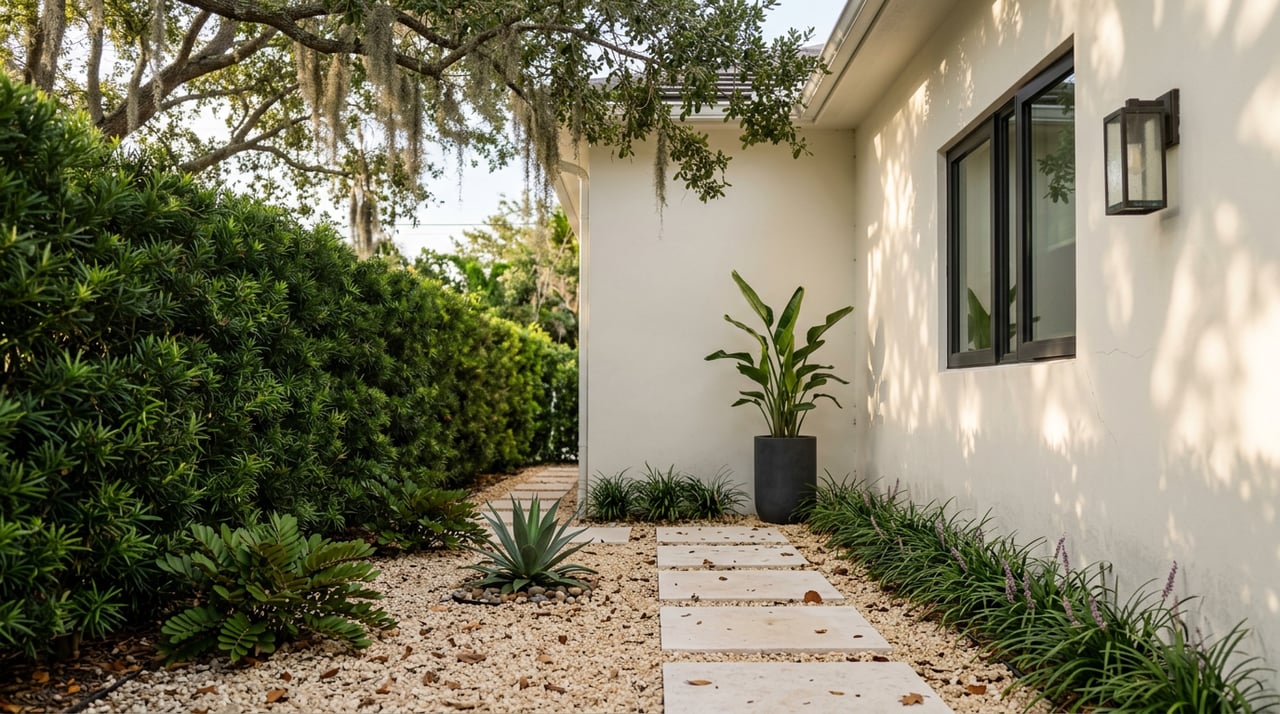
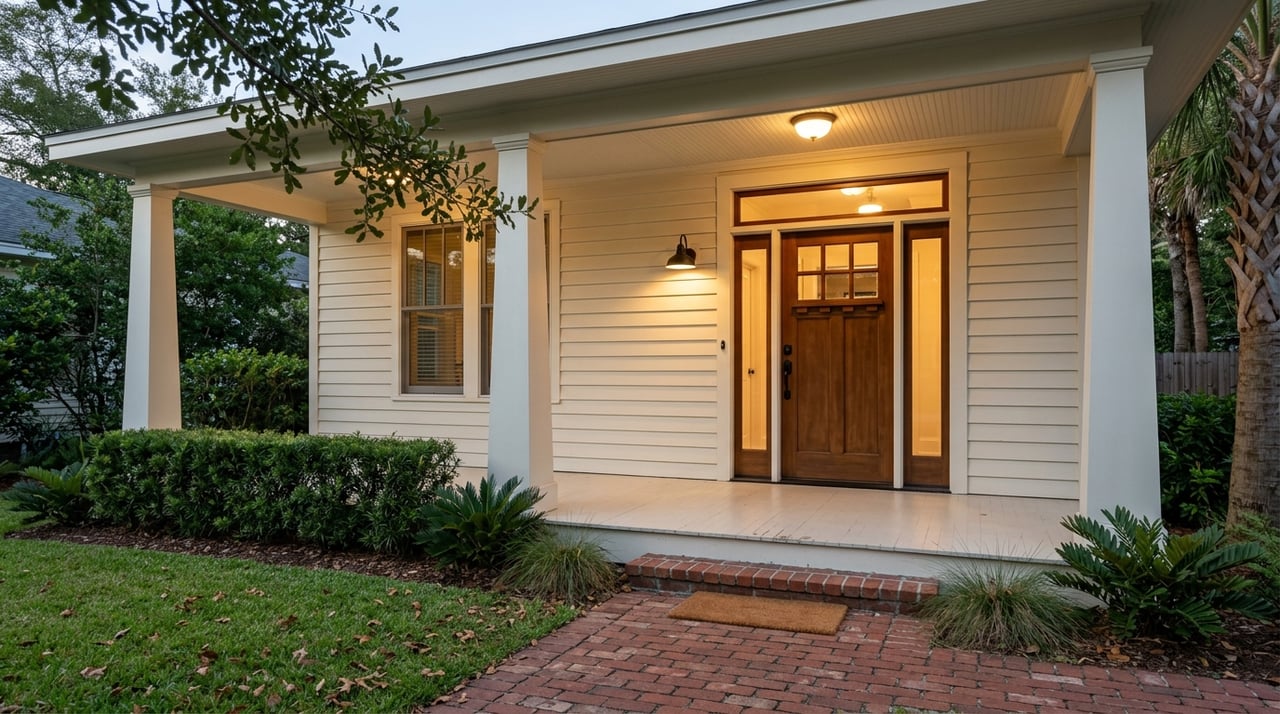
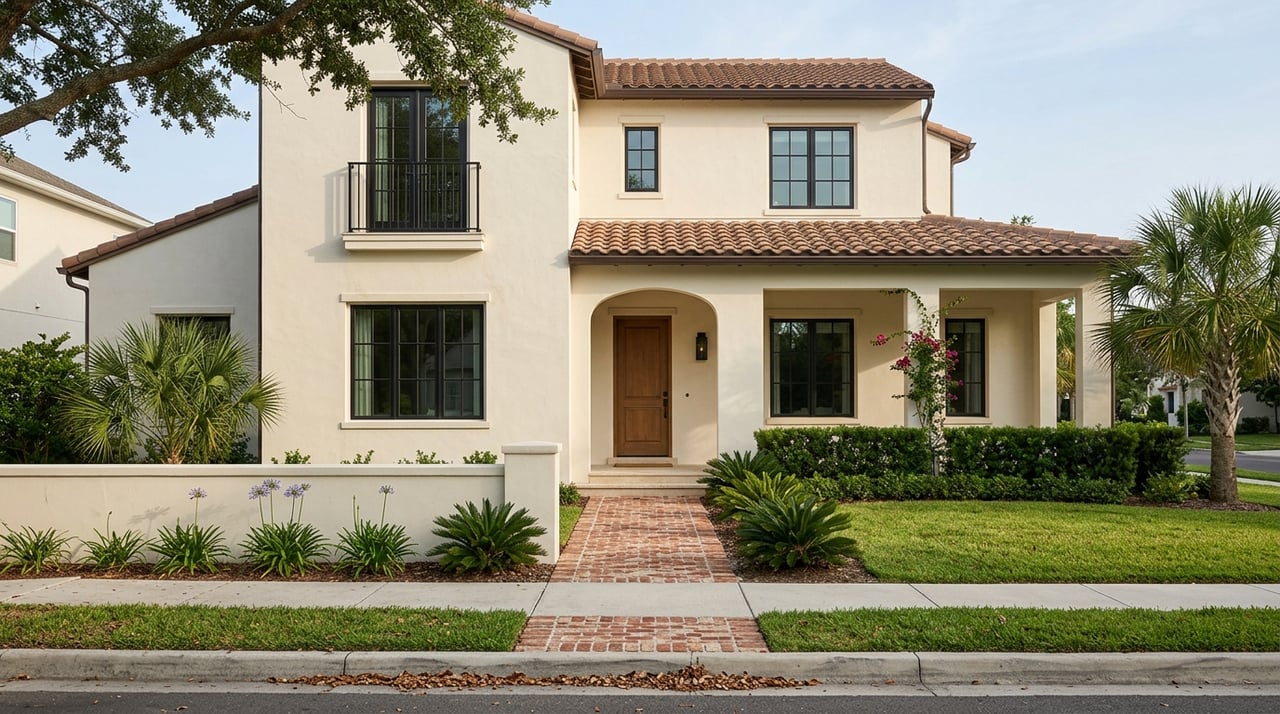
Curb appeal sets expectations within seconds. Tree canopy, sidewalks, lighting, and a well-kept façade help buyers feel at ease and signal pride of ownership. In Bayshore Beautiful, consistent streetscapes and tidy frontage help a home align with neighborhood expectations.
Small upgrades can pay off. Fresh paint, a clean roof, a statement front door, pressure washing, and simple landscaping often lift perceived value. Infill homes that respect setbacks and scale tend to blend in better and avoid buyer hesitation.
If you are selling, walk your block with fresh eyes and compare to top recent sales. Aim for a cohesive exterior story that photographs well and looks inviting at twilight. If you are buying, scan the street for maintenance patterns and canopy coverage to gauge how a block feels across seasons.
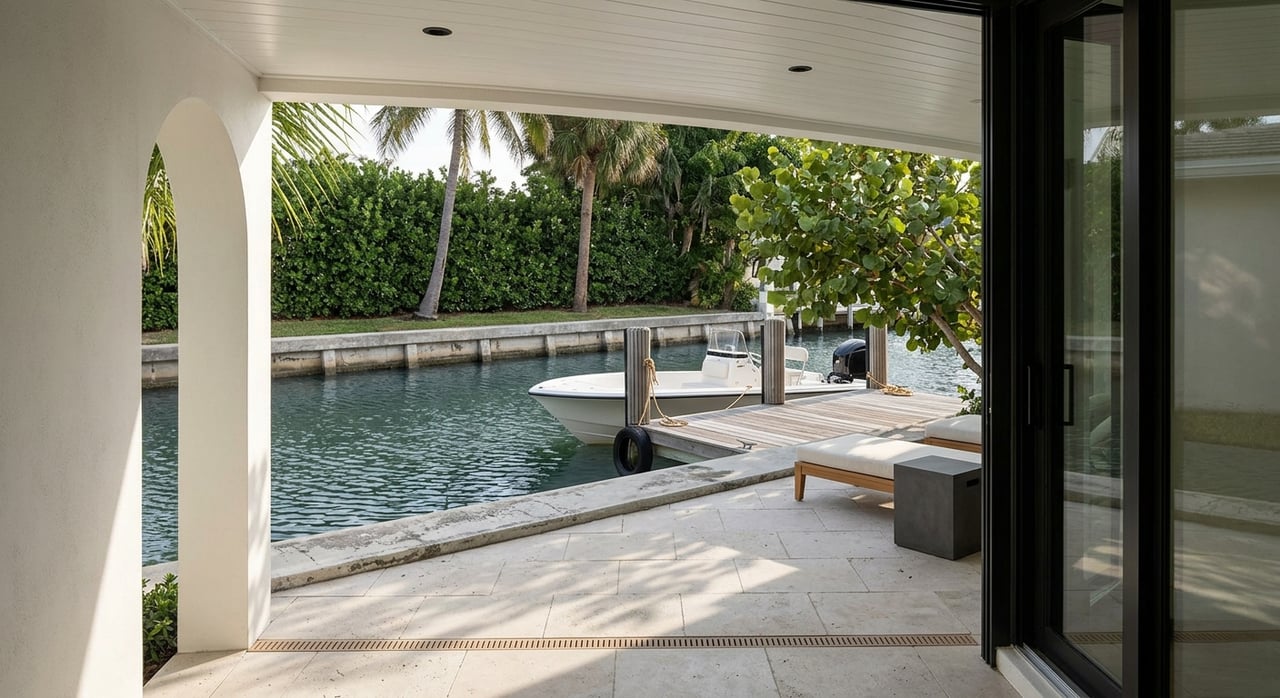
Proximity to the bay can increase exposure to storm surge or tidal flooding. Flood zone designation, property elevation, and mitigation measures such as raised foundations or flood vents influence insurability and carrying costs. Before you set a price or make an offer, check official flood maps and consider how premiums may affect buyer demand.
If a home is in a higher-risk zone, buyers may request documentation of elevation, past claims, or mitigation work. Sellers who can provide clear records and current insurance information help reduce uncertainty and keep deals on track.
Setbacks, lot coverage, and allowed uses will shape what you can add or change. If you hope to build a pool, add a garage, or expand the footprint, review zoning and permitting early. On some blocks, alleys or narrow frontages affect where you can place parking or additions.
Buyers should confirm future plans are feasible before closing. Sellers can boost confidence by sharing recent permits and any surveys or site plans that clarify buildable area.
Local millage rates, assessed values, and any special assessments impact monthly costs. For buyers, understanding how taxes may change after purchase is key. For sellers, highlighting current tax figures and homestead details can help buyers model their budget.
Interest rates and broader Tampa Bay supply and demand trends influence how strongly features translate into price premiums. In a low-inventory market, proximity to Bayshore and turnkey condition may command larger spreads. In a slower market, pricing accuracy and presentation carry more weight, and buyers become more sensitive to insurance and maintenance costs.
Use a simple, structured approach to separate location, condition, and lot advantages:
If your property is unusual for the block, use a wider search window for comps and adjust carefully. Focus on sold listings from the past 6 to 12 months, then layer in active and pending listings to understand current competition.
Use this quick list to prepare a Bayshore Beautiful listing that shows well and sells well:
If you need help coordinating improvements before you sell, explore a pre-list plan that fronts the costs and manages vendors so you can focus on timing and price.
When you tour and compare homes, bring this list:
In Bayshore Beautiful, proximity to Bayshore Boulevard, lot and outdoor living, renovation quality, parking, and curb appeal do most of the heavy lifting on value. Local constraints like flood risk, zoning, taxes, and market cycles can amplify or mute those advantages. If you measure each factor clearly and present your home thoughtfully, you give yourself the best shot at a smooth sale at a strong price.
If you want a tailored plan that pairs data with presentation, reach out to Onyx Collective. Our boutique, founder-led team combines neighborhood expertise with premium marketing and project coordination so you can maximize net proceeds with less friction. Get your free home valuation and a clear, step-by-step strategy.
Stay up to date on the latest real estate trends.
We bring a fresh and dynamic approach to real estate, driven by a commitment to excellence and a passion for helping our clients achieve their dreams.

3615 BROMLEY GRAND AVE #230 TAMPA FL 33607