Love the look of wide porches, sculpted stucco, or classic columns as you stroll Historic Hyde Park North? You are not alone. Many buyers and sellers are drawn to the neighborhood’s early 1900s character, but it can be hard to tell one historic style from another or to know which features truly matter. In this guide, you will learn how to spot the three dominant architectural styles in Historic Hyde Park North, why they are here, and how to preserve and market their most valuable details.
Let’s dive in.
Why these styles in Hyde Park North
Historic Hyde Park North grew during the streetcar era from the 1900s through the 1930s. Homes from this period reflect national design trends adapted to Florida’s heat, humidity, and storms. That is why you see a strong mix of Craftsman bungalows, Mediterranean Revival, and Colonial Revival houses on walkable blocks close to downtown.
Lots are modest by modern standards, with homes oriented toward the street. Front porches were designed for daily life and passive cooling long before air conditioning. The result is a cohesive streetscape where porches and facade details feel close and welcoming.
If you plan to renovate, remember that parts of Hyde Park fall under local and national historic recognition. Exterior changes often require review by the City of Tampa’s preservation authorities. Always check local guidelines before altering defining features.
Craftsman bungalows: how to spot them
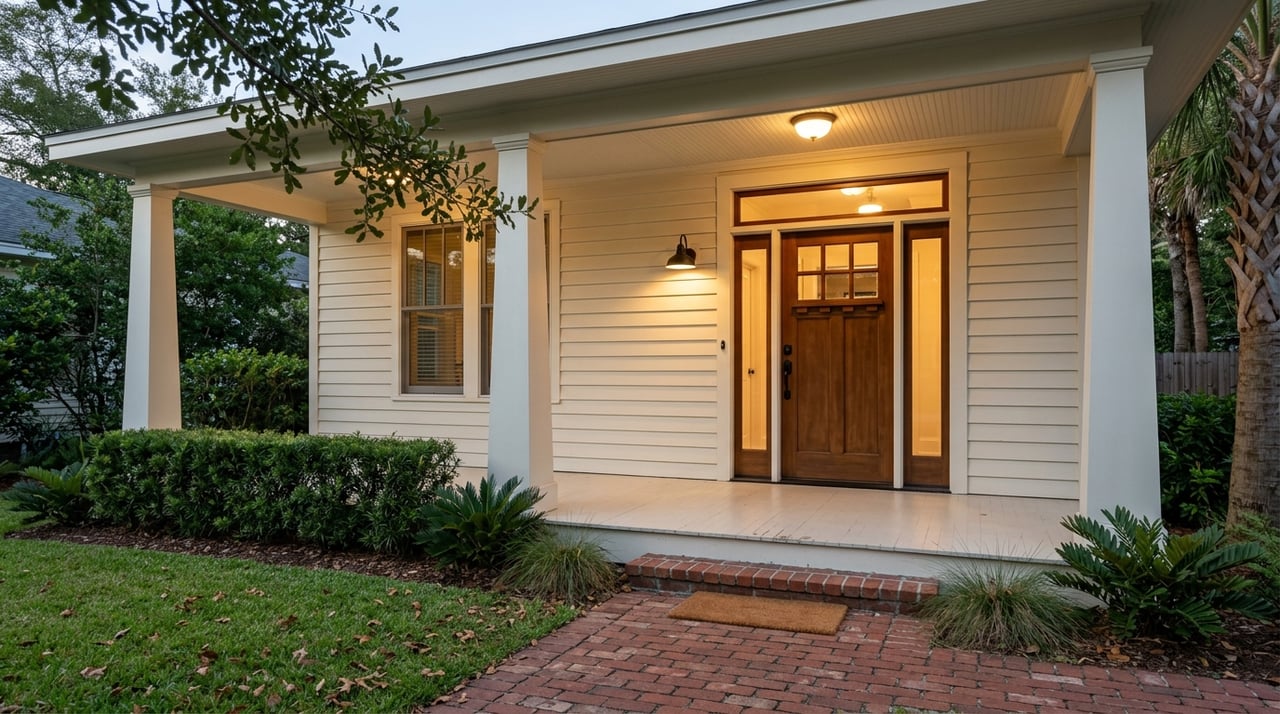
Craftsman bungalows were popular nationwide from about 1905 to 1930 and arrived in Tampa in the 1910s and 1920s as comfortable, well-crafted homes for middle-class buyers. The style emphasizes honest materials, simple forms, and a strong connection to porches and landscaping.
Exterior hallmarks
- Low-pitched gabled or hipped roofs with wide, unenclosed eaves
- Exposed rafter tails or decorative brackets under the eaves
- A prominent front porch supported by tapered square columns on heavy brick, stone, or concrete piers
- Natural materials like wood clapboard or shingles, and occasionally local brick or stucco
- Double-hung windows with multi-pane uppers over single-pane lowers (common patterns include 6-over-1 and 4-over-1), plus grouped windows or small gable windows
Interiors and floor plans
- One to one-and-a-half stories with compact footprints
- Open living-dining flow with built-ins such as bookcases and cabinets
- A central fireplace, natural wood trim, and simple, sturdy millwork
- Layouts aimed at cross-ventilation, important in Florida’s climate
Porches and siting
- Full-width or partial-width porches dominate the facade
- A few steps above grade help airflow and manage surface water
- Front steps often lead directly toward the sidewalk for easy neighborhood interaction
Common alterations and what to preserve
- Frequent changes include enclosed porches, replacement windows, and synthetic siding
- Priority features to retain: exposed rafter tails and brackets, original porch form and piers, wood siding profiles, and original window proportions
How to market a Craftsman
- Highlight intact porch craftsmanship, tapered columns on piers, exposed rafters, built-ins, and original millwork
- Stage the front porch with comfortable seating to underscore its daily use and neighborhood lifestyle
Mediterranean Revival: the Florida favorite
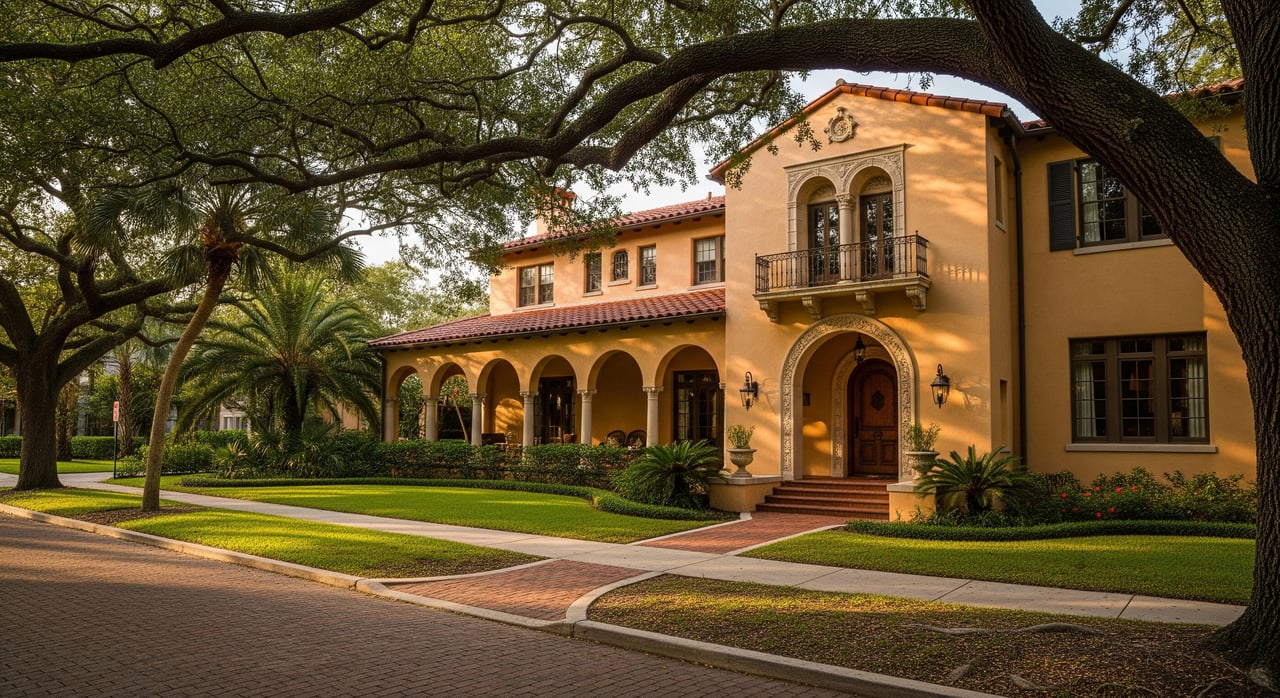
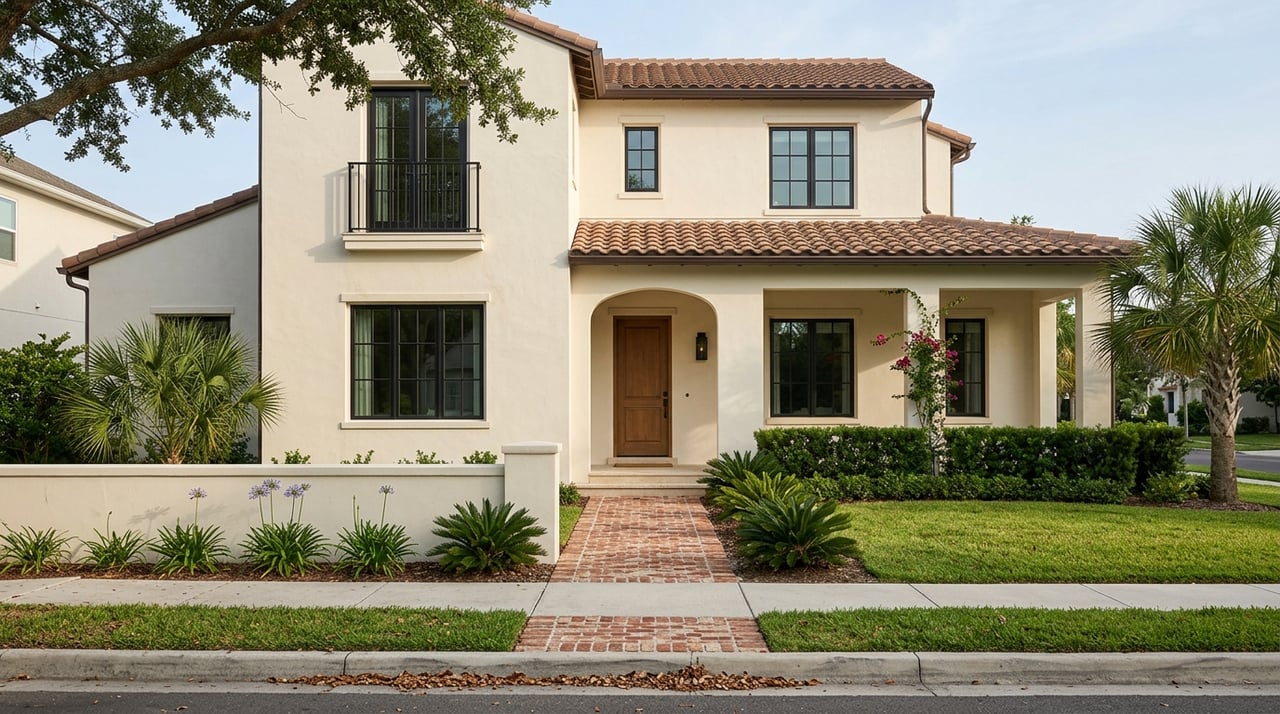
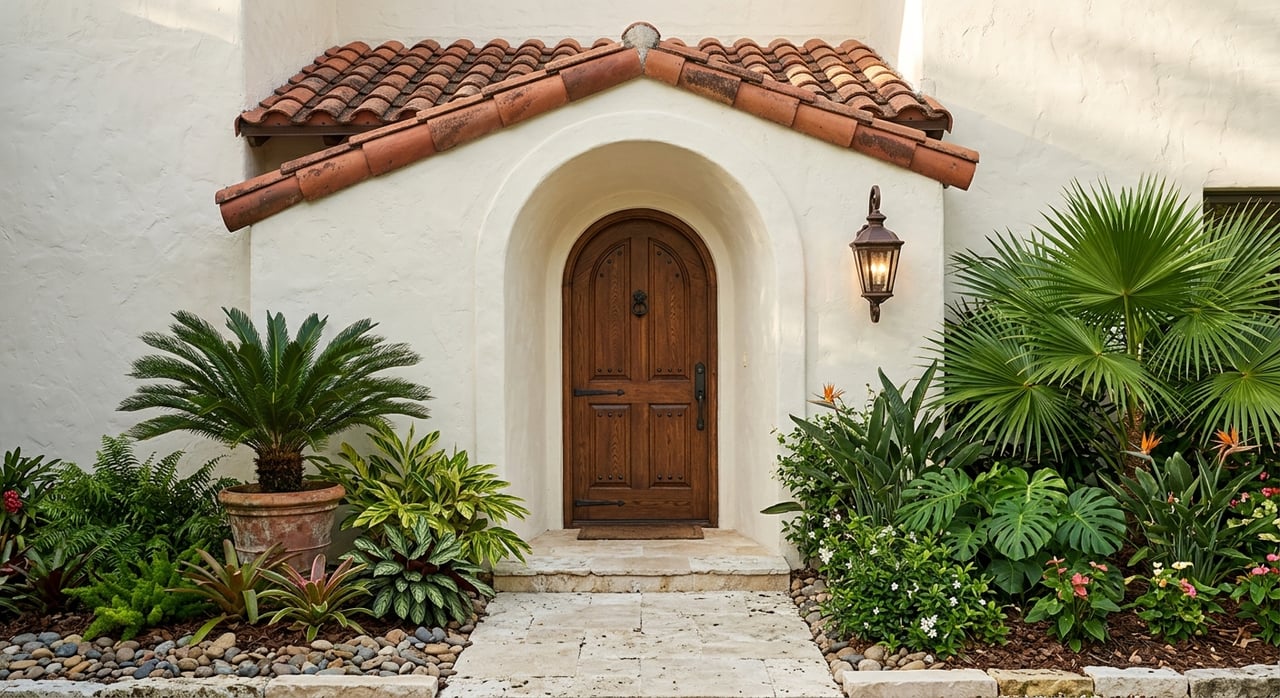
Mediterranean Revival surged in popularity during the 1920s and 1930s, especially in Florida’s resort and coastal cities. It draws from Spanish, Italian, and Moorish precedents and adapts beautifully to Tampa’s sun and rain.
Exterior hallmarks
- Smooth stucco walls in light or warm earth tones
- Low-pitched, hipped or gabled roofs with red or orange barrel clay tiles
- Arched entries and windows, sometimes with detailed surrounds
- Wrought-iron grilles, railings, and decorative tile accents at entries or stairs
- Asymmetrical facades, with towers or parapets on larger examples
Interiors and floor plans
- Plaster walls, arched interior openings, and tile floors or accents
- Shady courtyards or loggias for indoor-outdoor living
- In smaller neighborhood homes, Mediterranean elements may appear as stucco plus clay tile roofs rather than full villa plans
Porches and siting
- Recessed, arched loggias or small stoops are common instead of wide, open porches
- Courtyards and screened outdoor rooms provide shade and airflow
Common alterations and what to preserve
- Vulnerable features include clay tile roofs, decorative tiles, wrought iron, and stucco details
- Replacing tile roofs with non-tile materials diminishes historic character; like-for-like repairs help retain integrity
How to market a Mediterranean
- Lead with the stucco-and-tile aesthetic, arched entries, and any original ironwork or decorative tile
- Showcase shaded courtyards or loggias that speak to comfortable Florida living
Colonial Revival: symmetry and classic touch
Colonial Revival was the dominant national style from the late 19th century into the mid-20th century, and many Hyde Park examples reflect a simpler, climate-conscious version of the style.
Exterior hallmarks
- Symmetrical facades with a centered front entry and evenly spaced windows, though some vernacular versions may be less formal
- A paneled front door with a classical surround, such as pilasters, pediments, and transoms or sidelights on higher-style examples
- Classical columns supporting small porticos, and sometimes full-width porches in Southern adaptations
- Wood clapboard or shingles, and brick veneer on some homes
- Double-hung multi-pane windows, often with shutters, and medium to steeply pitched gable or hipped roofs
Interiors and floor plans
- More formal layouts with separate living and dining rooms
- Central halls in symmetrical examples
- Classical trim, mantels, and proportioned moldings
Porches and siting
- Smaller center-entry stoops or porticos are typical
- Some homes feature full-width porches with classical columns
Common alterations and what to preserve
- Risks include removal of original trim, artificial siding, and modern window replacements that change proportions
- Preserve original window patterns, door surrounds, and classical moldings
How to market a Colonial Revival
- Call out the symmetrical facade, classical entry details, original multi-pane windows and shutters, and interior trim or mantels where intact
Lots, setbacks, and porches in context
Hyde Park’s early-20th-century lots are urban in scale, with homes oriented to the street and modest front setbacks. Side yards are often narrow, which makes facades and porches feel prominent in the streetscape.
Porches do a lot of work here. Whether it is a full-width Craftsman porch, a recessed Mediterranean loggia, or a classical Colonial portico, these features create shade, encourage interaction with the sidewalk, and define curb appeal. Many houses sit slightly raised above grade, with front steps that mark the transition from public to private. This raised feel also helps with airflow and surface water.
Buying or selling in Hyde Park North
You can make smarter decisions if you know which features signal authenticity and value. Use this quick checklist.
If you are buying
- Identify the style and note intact hallmark features: porch form, roofline, window proportions, and cladding
- Ask for documentation on prior exterior changes, permits, and any design reviews by the city
- For older roofs and mechanicals, request condition reports; clay tile, wood siding, and original windows have specific care needs
If you are selling
- Lead with the style story: Craftsman craftsmanship, Mediterranean arches and tile, or Colonial symmetry
- Stage porches and courtyards to demonstrate daily livability and neighborhood connection
- Spotlight original materials and details that buyers value, such as built-ins, tile, ironwork, and classical trim
Renovation and preservation basics
Respect the big elements first. Preserving the porch form, roof shape, window proportions, and primary cladding will keep the house’s character intact.
- Roofs: Match original profiles when possible. For Mediterranean Revival, clay barrel tiles are a defining feature.
- Windows: Maintain original proportions and muntin patterns. If replacements are necessary, choose profiles that closely match the original look.
- Porches: Avoid enclosing front porches or replacing porch columns and railings with incompatible designs. Keep steps and landings aligned with the home’s historic entry sequence.
- Siding and stucco: Retain wood siding profiles on Craftsman and Colonial Revival homes, and repair stucco with compatible materials on Mediterranean homes.
Navigating historic-district rules
Portions of Hyde Park are locally and nationally recognized for their historic significance. If your property is within a designated district or has local landmark status, exterior changes typically require review by the City of Tampa’s preservation authorities. Before you replace a roof, change windows, or alter a porch, check the local rules. You may also find potential tax incentives or preservation grants for qualifying projects. Plan early so your timeline and budget align with any review steps.
Marketing your Hyde Park home’s style
Presenting the right story will widen your buyer pool and support pricing.
- Craftsman: Emphasize handcrafted millwork, built-ins, grouped windows, exposed rafters, and substantial porch piers. Warm, natural staging materials reinforce the look.
- Mediterranean Revival: Focus on the stucco-and-clay-tile silhouette, arched entries, ironwork, and shaded outdoor rooms. Stage courtyards or loggias with greenery and tile accents.
- Colonial Revival: Lead with symmetry, a classic entry surround, original multi-pane windows, and interior moldings. Keep staging refined and balanced.
Thoughtful photography that captures porch life, entry details, and the street-facing facade will help buyers feel the neighborhood experience that defines Hyde Park.
Final thoughts
Historic Hyde Park North’s charm is not an accident. It comes from the relationship between modest lots, front porches, and recognizable early-20th-century styles adapted to Florida’s climate. When you know what to look for, you can protect the features that matter, plan smarter upgrades, and tell a clearer story to buyers.
If you are considering a purchase or preparing to sell, you can get strategic, design-savvy guidance and premium execution. Connect with the local experts at Onyx Collective for a tailored plan and a no-pressure value conversation.
FAQs
What defines Craftsman vs. Colonial Revival at a glance in Hyde Park North?
- Craftsman has a low-slung roof, wide eaves with exposed rafter tails, and tapered porch piers; Colonial Revival leans formal with a symmetrical facade, classical entry surround, and multi-pane sash windows.
Are Mediterranean Revival homes only found on larger lots here?
- No, you will find both larger villa-like examples and smaller neighborhood homes that use stucco walls, clay tile roofs, and arched details at a more modest scale.
Can I remodel a porch or replace windows on a historic Hyde Park home?
- Often yes, but exterior changes in designated districts usually require review; check with the City of Tampa’s preservation authorities before starting work.
How do these early 1900s styles handle Florida’s climate today?
- Each style includes climate-minded features such as porches, loggias, raised floors, and materials like stucco and tile; modern upgrades are common but should respect visible historic character.
What should buyers verify before closing on a historic Hyde Park home?
- Request documentation of past renovations and permits, confirm any required design reviews occurred, and get condition reports for older roofs, windows, and mechanical systems.