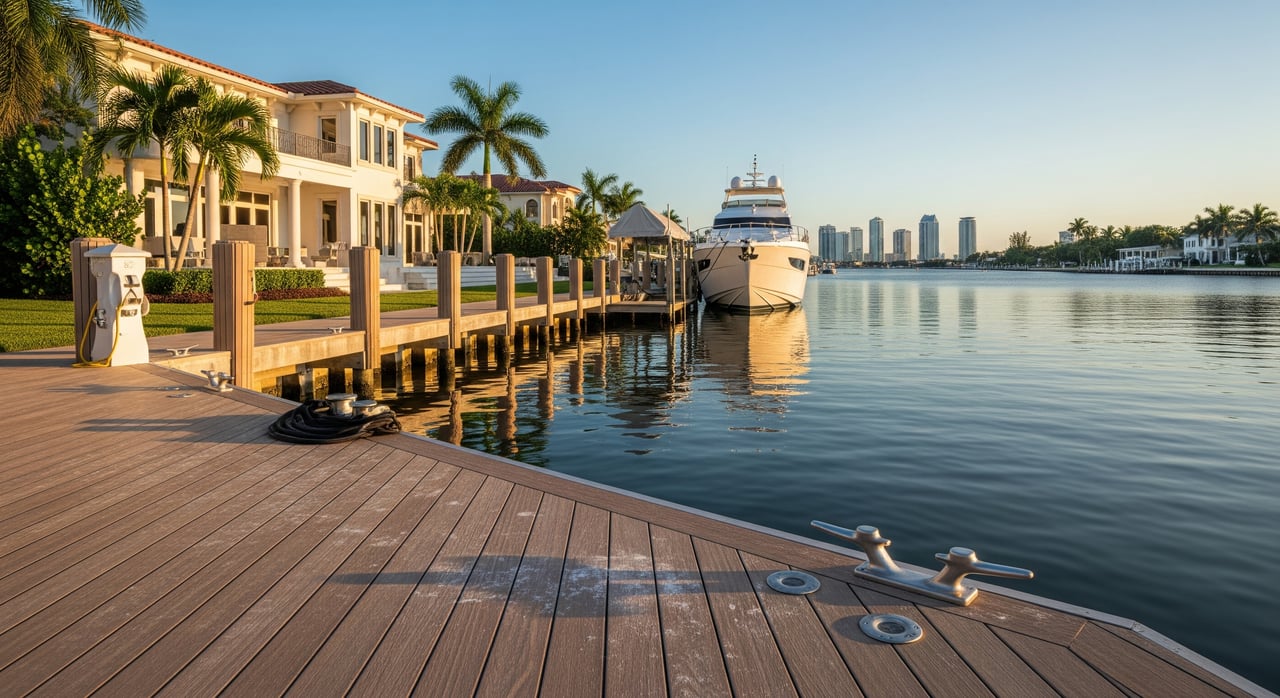
Davis Islands Boat Docks Guide for Waterfront Buyers
Dreaming of stepping from your backyard onto your boat in minutes? On Davis Islands, that lifestyle is very real, but every dock, canal, and route to the bay is different. The right fit comes down to depth, clearances, permits, and upkeep. In this guide, you’ll learn how to evaluate a Davis Islands dock with confidence so your boat and your lifestyle align. Let’s dive in.
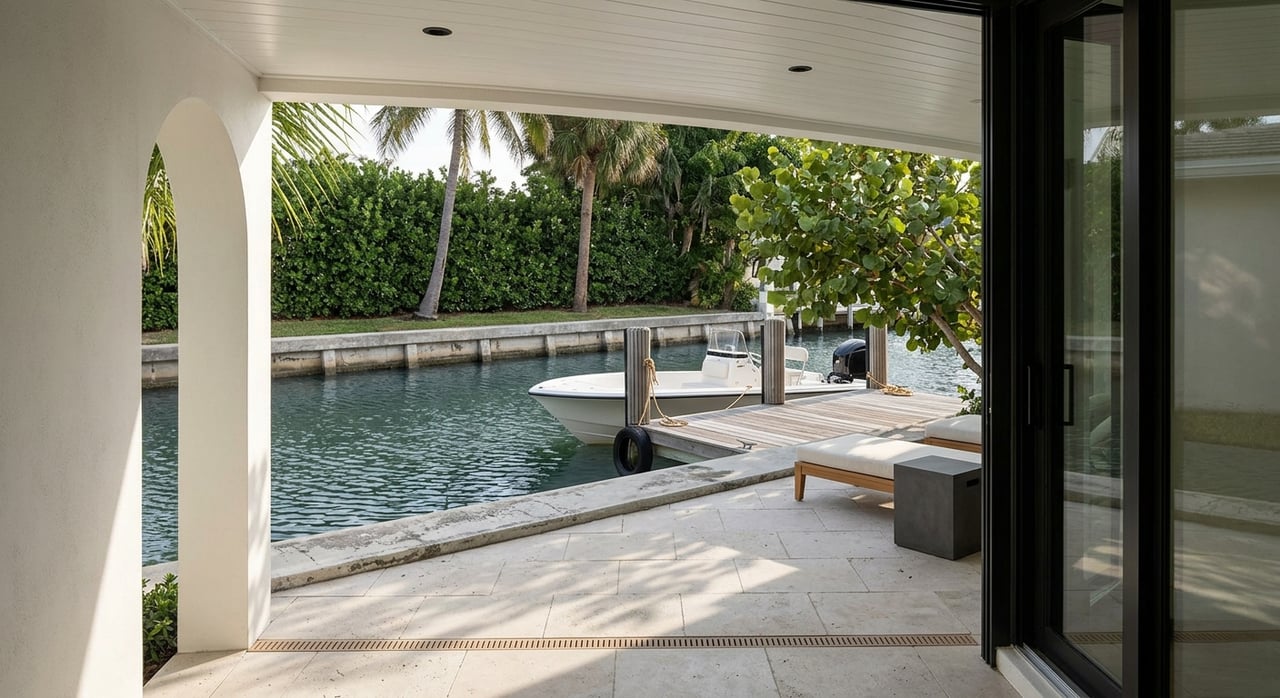
Davis Islands are low-lying, man-made islands with residential canals that lead into Hillsborough Bay and onward to Tampa Bay. Water levels shift with tides, wind, and seasonal weather, so depths can change day to day. Many homes feature private seawalls, finger piers, or docks that make boating convenient. Typical vessel types include sportboats, center consoles, and small cruisers, while very large yachts are more often kept at commercial marinas.
Because the water is salt or brackish, corrosion and biological growth move faster than in freshwater. The area is also exposed to tropical storms and wind-driven surge, which can stress piles, lifts, and decking. Wake from passing boats can add wear if your dock faces a channel or open fetch. These local factors should shape how you assess dock materials, design, and maintenance needs.
Some properties have deeper, dredged access suitable for larger boats, but canal depths vary widely. If your boat has moderate to deep draft, verify depth at the property and along the entire route to the bay. For taller vessels, look ahead to bridge clearances as well. If your plans exceed what the site can accommodate, consider nearby marinas for mooring.
Fixed docks use piles to support a rigid deck of timber, composite, or concrete. They feel stable and handle heavier loads, which many owners prefer. In storm surge, rigid structures can be stressed, and piles and hardware in saltwater need careful selection and upkeep. Expect higher upfront costs and strong performance when the seabed is suitable.
Floating docks ride with the tide on foam or plastic floats, anchored by piles or seabed anchors. They can be cost-effective, adaptable, and easier to modify. If not properly secured, they can be vulnerable to large waves or storms. UV and fuel exposure can age floats and fittings, so plan for inspections and replacements over time.
Finger piers that form T or L shapes are common for creating slips and easy boarding. Piles can be treated timber, concrete, steel with coatings, or composite. In salt and splash zones, corrosion-resistant fasteners and appropriate coatings are key. Composite decking reduces rot risk, aluminum framing is light and corrosion-resistant, and concrete offers long life where weight and permanence make sense.
Lifts raise the boat out of the water, reducing hull fouling and corrosion and making maintenance easier. Match the lift to your boat’s weight, beam, and hull shape, and confirm the dock structure can handle the loads. Motors, cables, and controls need regular servicing. Lifts can provide added protection in milder storms but still require storm planning and adherence to permit rules.
Many properties rely on seawalls that docks attach to or work alongside. The wall’s condition impacts dock design, cost, and timelines. If tiebacks, caps, or toe protection show wear, your overall plan may require repairs or reinforcement.
The typical approval path can include:
Ask the seller for:
Confirm how the dock is insured under the homeowner’s policy or if separate dock or marine coverage is needed. Insurers often specify construction standards or maintenance requirements for coverage. Boat policies may require photos, inspection reports, and certain fastening techniques for lifts and mooring.
Draft is the water depth a boat needs to float. Air-draft is the height from the waterline to the highest point of the boat. Confirm both against your property’s depth at low tide and any bridge clearance along the route. For tall masts or flybridges, even one low clearance can be a deal-breaker.
Residential canal depths vary across the islands. Seasonal shoaling, storm surge, and wind can change depths, and even modest tides matter in shallow areas. Ask whether the approach channel is maintained and by whom, and whether dredging is allowed or has been done recently. A local marine surveyor can take soundings and assess turning room for your vessel.
If any fixed bridge or utility crossing lies between you and Tampa Bay, confirm vertical clearance at mean high water and under the lowest expected conditions. Where movable spans exist, check any opening schedules or limits. Plan the route on charts, then verify on the water with local knowledge.
Marine borers can attack submerged untreated wood, so modern construction minimizes submerged timber or uses properly treated or encased materials. Salt air speeds corrosion, so stainless or protected metals help. Removable or breakaway components can reduce storm losses, but no system is risk-free in major hurricanes.
Floating dock modules and decking can need attention within 5 to 15 years, depending on exposure and quality. Piling systems can last decades with proper design and maintenance, with concrete and protected metal outlasting untreated timber. Lift components often require servicing annually or biennially and replacement of major parts within 10 to 20 years. Always get multiple local quotes for installation, repairs, dredging, and seawall work, and budget for recurring inspections and insurance.
Buying a waterfront home on Davis Islands is part lifestyle, part engineering. You want clear guidance and rigorous due diligence so your dock fits your boat and your future plans. We focus on documentation, inspections, and negotiating the right contingencies, so you can close with confidence.
Ready to weigh a specific property or compare options across the islands? Let’s talk about your boating goals, your vessel, and what each home’s dock can realistically support. Connect with Onyx Collective to get started.
Stay up to date on the latest real estate trends.
We bring a fresh and dynamic approach to real estate, driven by a commitment to excellence and a passion for helping our clients achieve their dreams.
3615 BROMLEY GRAND AVE #230 TAMPA FL 33607