Historic Hyde Park Tampa Lifestyle and Walkable Living
If you want a Tampa neighborhood where coffee, dinner, a waterfront walk, and daily errands can all fit into the same afternoon, Historic Hyde Park deserves a close look. You may be drawn to the charm, the location, or the idea of living near Bayshore Boulevard without giving up access to shops and restaurants. This guide will help you understand what walkable living in Historic Hyde Park really looks like, how the neighborhood’s historic character shapes homeownership, and what to keep in mind if you plan to buy or sell here. Let’s dive in.
Historic Hyde Park sits immediately west of Downtown Tampa across the Hillsborough River, and the City of Tampa describes it as Tampa’s oldest existing neighborhood. That location gives you a rare mix of urban convenience and established residential character. Instead of feeling spread out, the neighborhood reads as a compact district with a clear sense of place.
City project records frame the core area roughly between West Watrous Avenue, Bayshore Boulevard, South Howard Avenue, and South Rome Avenue. In practical terms, that means many of the places people want to visit are close together. For buyers who value ease and proximity, that compact layout is a big part of the appeal.
Walkability here does not mean living without a car. It means you can often choose to leave it parked for parts of your day, while still having access to parking when you need it.
Hyde Park Village is the neighborhood’s main lifestyle hub. The City of Tampa identifies it as a major attractor because of its dining options, unique shops, and open space for community events. The official village site also describes it as a mixed-use destination with boutiques, brands, culinary offerings, Fresh Market, and a boutique hotel.
That mix matters because truly walkable neighborhoods need more than sidewalks. They need destinations that support everyday life, casual meetups, and weekend routines. In Hyde Park, that can mean walking to pick up groceries, meeting friends for dinner, or heading out for a quick coffee without planning your whole day around driving.
For sellers, this is also part of the neighborhood story that attracts buyers. A home in Hyde Park is not just about the house itself. It is also about the convenience and rhythm of living near one of Tampa’s most active mixed-use districts.
One of Hyde Park’s biggest lifestyle advantages is its access to Bayshore Boulevard. According to the City of Tampa, the city’s trail and fitness network includes Bayshore’s 4.5 miles of the World’s Longest Continuous Sidewalk. The Bayshore Linear Park Trail also runs from Platt Street to Gandy Boulevard and includes benches, a water fountain, bicycle parking, a city marina, and fitness stations.
If your version of walkable living includes more than errands, this is where Hyde Park stands out. You are not limited to short blocks and storefronts. You also have direct access to a major waterfront path that supports walking, running, biking, and time outdoors.
That outdoor access helps shape the feel of daily life in the neighborhood. It gives residents a way to connect movement, recreation, and scenery without getting in the car.
The City of Tampa’s parking report connects Hyde Park to South Howard Avenue, often called SoHo, and its dining and nightlife activity. It also notes the neighborhood’s pedestrian- and bicycle-friendly facilities. Together, those features support a lifestyle where meals, social plans, and outdoor time can happen close to home.
This does not mean every block feels the same. Some areas lean more residential and quiet, while others place you closer to active retail and evening destinations. If you are home shopping, your exact location within Hyde Park can shape how often you walk versus drive.
That is why neighborhood-level guidance matters. A buyer looking for peaceful residential streets may want a different pocket than someone who wants to be as close as possible to village activity and Bayshore access.
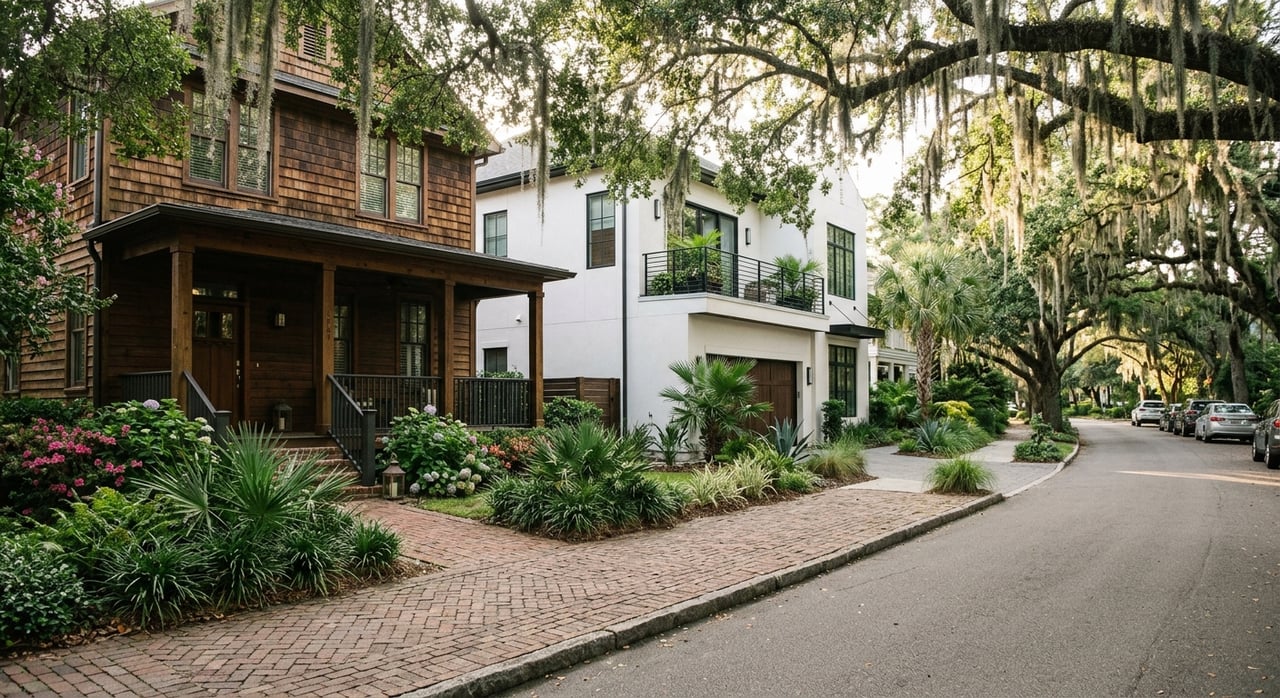
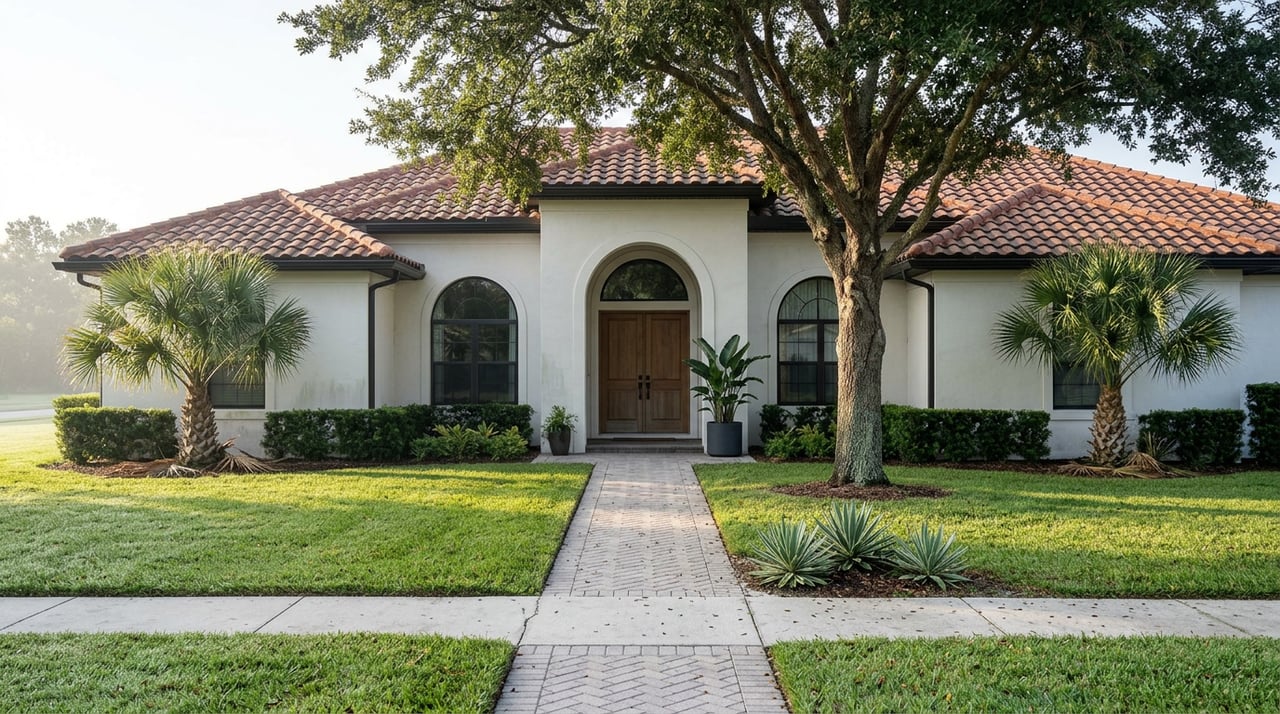
Historic Hyde Park’s identity is closely tied to its architecture. The City of Tampa says the neighborhood’s historic homes were intensively renovated and reflect Florida architecture from the 1920s and 1930s. That gives the area a distinct visual character that many buyers find hard to replicate in newer neighborhoods.
Walkable living here often comes with design appeal. Tree-lined streets, older homes, and preserved architectural details help create the atmosphere that makes the neighborhood feel established and memorable. For many buyers, that character is not a side benefit. It is one of the main reasons Hyde Park stands out.
At the same time, it is important to understand that historic charm usually comes with more thoughtful upkeep. If you love the look and setting, you should also be ready for the responsibilities that can come with owning in a locally designated historic district.
The Architectural Review Commission explains that Hyde Park’s design guidelines are intended to preserve neighborhood character while also offering solutions for rehabilitation and new construction. The guidelines cover topics such as maintenance of existing buildings, compatible new construction, landscape and site elements, and exterior features like siding, signs, fences, and walls.
The city’s historic preservation office also states that Certificates of Appropriateness are required for new construction, additions, and exterior repairs. For buyers, that means exterior changes may involve more review than they would in a non-historic area. It is not necessarily a drawback, but it is a real part of ownership that should factor into your plans.
If you are considering a home here, think beyond layout and finishes. You should also consider whether you want a property that may involve preservation guidelines for future updates.
One of the more interesting things about Hyde Park is that it continues to evolve. In 2023, Tampa expanded the locally designated Hyde Park Historic District northward by 184 buildings. That shows the district is active and still being shaped, not simply preserved as a fixed snapshot of the past.
You can also see that evolution in city records related to attached housing. Architectural Review Commission minutes include Hyde Park cases involving proposed and approved townhome projects that were reviewed for consistency with Hyde Park design guidelines. In other words, newer housing forms can be part of the neighborhood story when they fit the district’s standards.
For buyers, this creates a broader range of housing possibilities. For sellers, it reinforces that Hyde Park appeals to people who value both location and design, whether they prefer a historic residence or a more recently built home shaped by preservation standards.
Walkability works best when the surrounding infrastructure keeps pace with neighborhood use. City project records show investment in Hyde Park through a groundwater diversion project intended to address chronic ponding on sidewalks and streets, along with a resurfacing project covering roads within the neighborhood core.
These projects may not be as exciting as a new restaurant or a waterfront stroll, but they matter. Sidewalk conditions, drainage, and road quality all shape how comfortable a neighborhood feels on foot and by bike. They also reflect ongoing public attention to livability.
For anyone considering a move, this is a useful reminder that neighborhood value comes from both private homes and public infrastructure. In Hyde Park, the appeal is strengthened by both.
Based on the available city sources, Hyde Park may appeal to people who want a short-hop urban lifestyle, downsizers who prioritize location and lower-maintenance living over larger lots, and design-conscious buyers who appreciate historic architecture. That is a reasonable inference from the neighborhood’s layout, amenities, and housing character.
The fit often comes down to tradeoffs. If you want more land, a quieter suburban pattern, or fewer rules around exterior changes, another area may feel easier. If you value being able to walk to dining, shops, and the waterfront while living in one of Tampa’s most established neighborhoods, Hyde Park can be a compelling match.
This balance is also what makes the neighborhood so important in the Tampa market. It offers convenience and character in a setting that feels both local and highly connected.
If you own a home in Historic Hyde Park, your sale story should go beyond square footage and finishes. Buyers are often responding to a full lifestyle package that includes proximity to Hyde Park Village, access to Bayshore Boulevard, and the neighborhood’s established architectural character.
That means presentation matters. Thoughtful marketing should capture not only the home’s design and condition, but also how it lives within the neighborhood. In a place like Hyde Park, local context can be just as persuasive as a feature list.
At Onyx Collective, we believe neighborhood knowledge helps buyers make better decisions and helps sellers position their homes more effectively. If you are thinking about buying or selling in Historic Hyde Park, Onyx Collective can help you navigate the details with a high-touch, local approach.
Stay up to date on the latest real estate trends.
We bring a fresh and dynamic approach to real estate, driven by a commitment to excellence and a passion for helping our clients achieve their dreams.
3615 BROMLEY GRAND AVE #230 TAMPA FL 33607