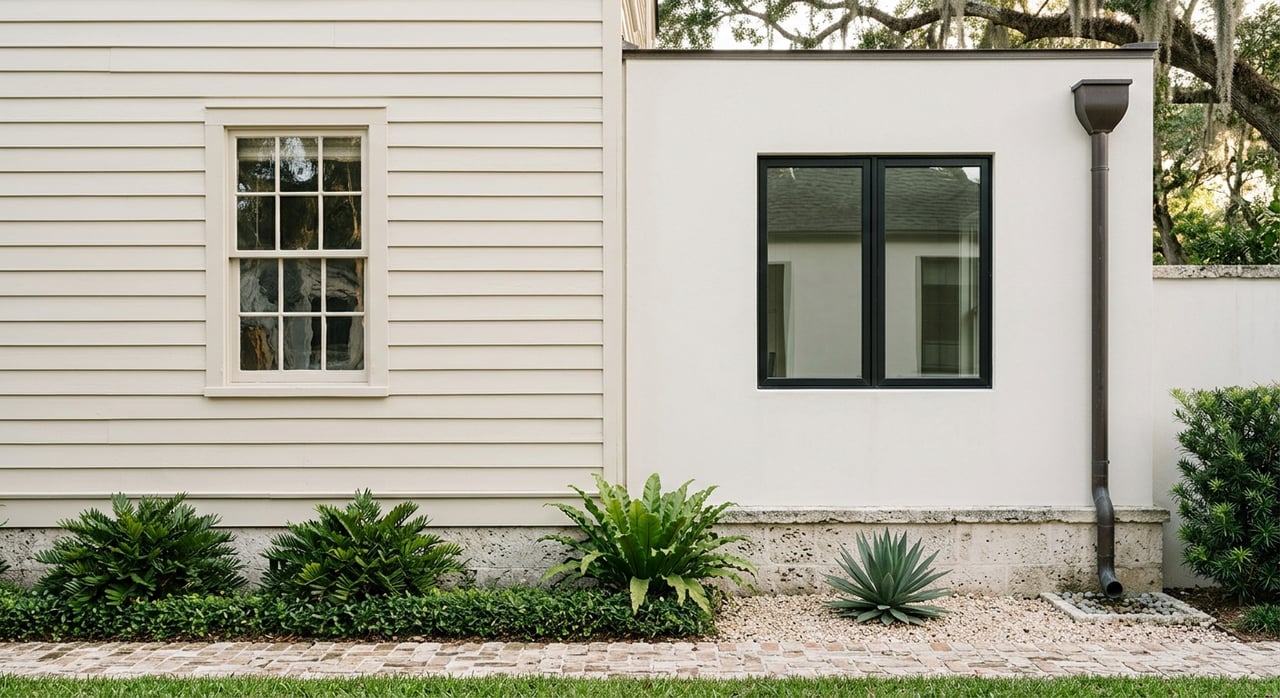
How to Renovate a Historic Hyde Park Home with Restraint
Thinking about renovating a home in Historic Hyde Park? The biggest mistake is often not doing too little. It is doing too much. If you own a historic home here, or you are preparing one for sale, the goal is usually not to make it feel brand new. It is to make it look well cared for, historically compatible, and market-ready. In a neighborhood where original character matters, a restrained plan can protect both appeal and resale. Let’s dive in.
Historic Hyde Park is not just another Tampa neighborhood with older homes. The City of Tampa describes it as the city’s oldest existing neighborhood, with many homes reflecting 1920s and 1930s Florida architectural style. The Hyde Park Local Historic District was also expanded in 2023, adding 184 buildings.
That matters because renovation decisions here are shaped by more than personal taste. The city uses Hyde Park Design Guidelines as a general guide for Architectural Review Commission review. In simple terms, the neighborhood has a defined architectural vocabulary, and exterior changes are expected to respect it.
For many homes, that means preserving features instead of replacing them with generic modern finishes. The city’s guideline topics focus on things like façade proportions, window patterns, roof forms, porch projections, site coverage, fences, walls, paint, stain, and compatible materials. In Hyde Park, the details are not extras. They are part of the home’s value.
Before you plan any exterior work, confirm whether your property is inside the local historic district and whether it is considered a contributing structure. The city specifically warns that district maps should not be used as the only guide. Instead, homeowners should contact Architectural Review and Historic Preservation staff to verify a property’s status.
This step is easy to skip, but it can save you time and money. Renovation rules depend on the exact property, not just the Hyde Park name. Two homes a few blocks apart may face different review expectations based on district boundaries and historic designation.
In Tampa’s locally designated historic districts, the commission has approval or disapproval authority over alterations, demolitions, relocations, and new construction. A Certificate of Appropriateness is required before you submit plans to the Construction Services Division for permitting.
The city also advises owners to contact staff when they first begin thinking about a project. That early conversation can help you understand whether your plan is likely to move quickly or require a more formal review path.
Applications are submitted online through Accela. Some smaller scopes may be approved by staff without a public hearing, while larger or more discretionary projects move through a public-hearing process with deadlines, pre-application review, and notice requirements.
According to the city’s submission requirements, some work may qualify for staff-level approval, including:
That does not mean these projects are automatic. It means they may be more manageable when the design stays compatible and the scope stays modest.
If you want to update a Hyde Park home without overdoing it, a simple order of operations usually works best:
That approach lines up with the city’s emphasis on rehabilitation and maintenance of existing buildings. It also tends to make sense financially, especially if you are preparing a home for market.
A house in this neighborhood does not usually benefit from being stripped of its historic reading. Buyers are often drawn to the very features that make Hyde Park feel distinct, such as porch depth, original trim, roof shape, façade rhythm, and period-appropriate materials.
The city’s guidelines point toward a few categories of improvements that tend to be safer and more compatible.
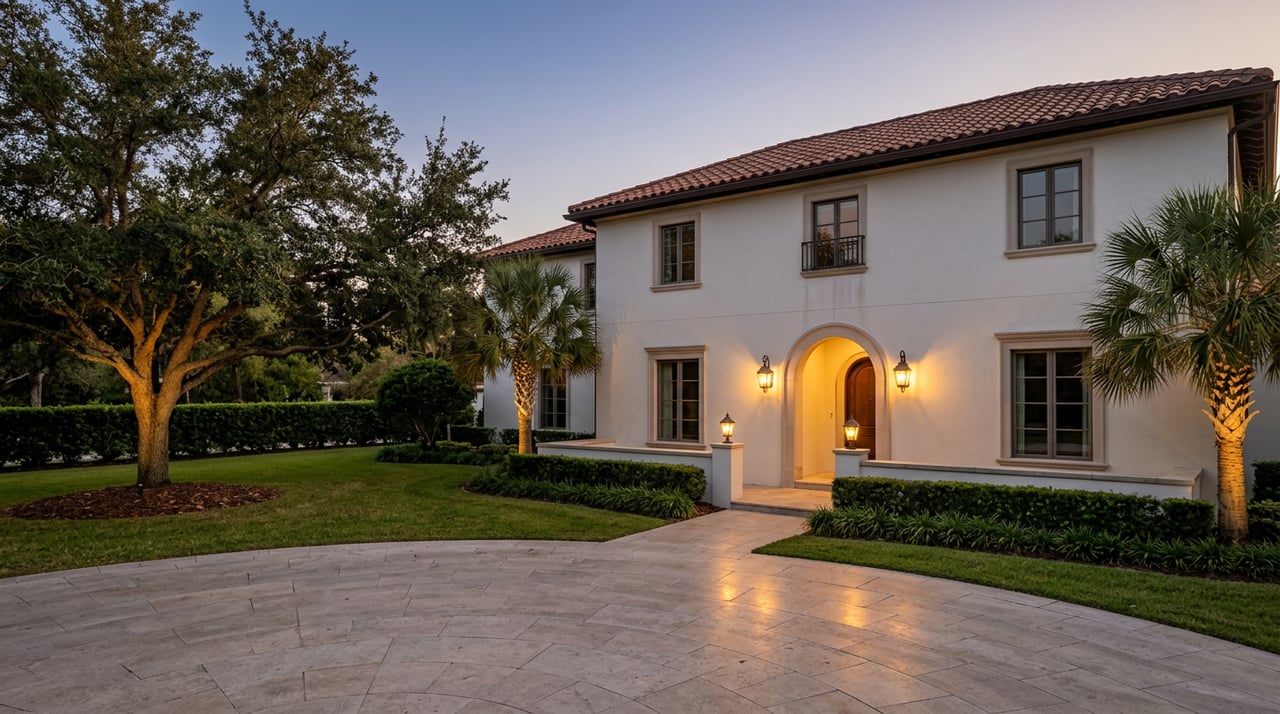
If the roof is tired but the home’s massing and shape still work, roof repair or replacement that keeps the existing roof line is often a practical place to invest. The city specifically notes that roof repair or replacement with no change in roof line may qualify for staff approval.
In a historic setting, the roof does more than keep water out. It helps define the silhouette of the home. Changing the shape can create review issues and make the house feel less authentic.
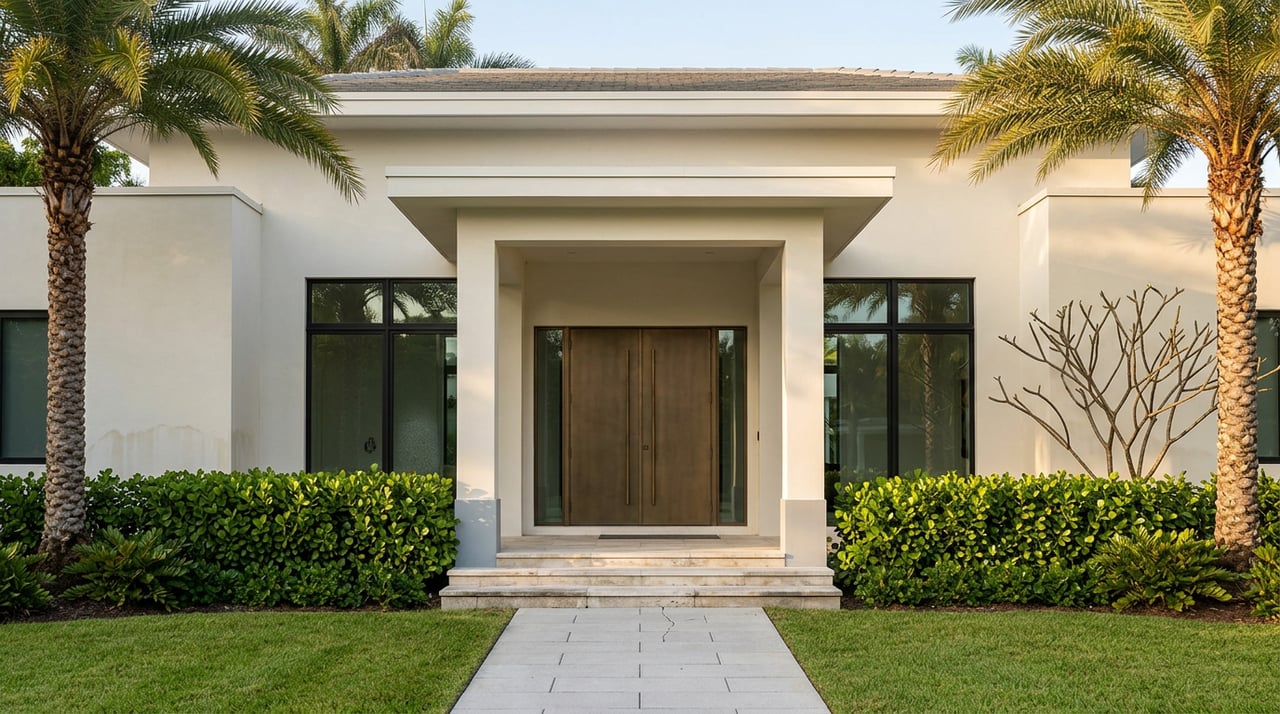
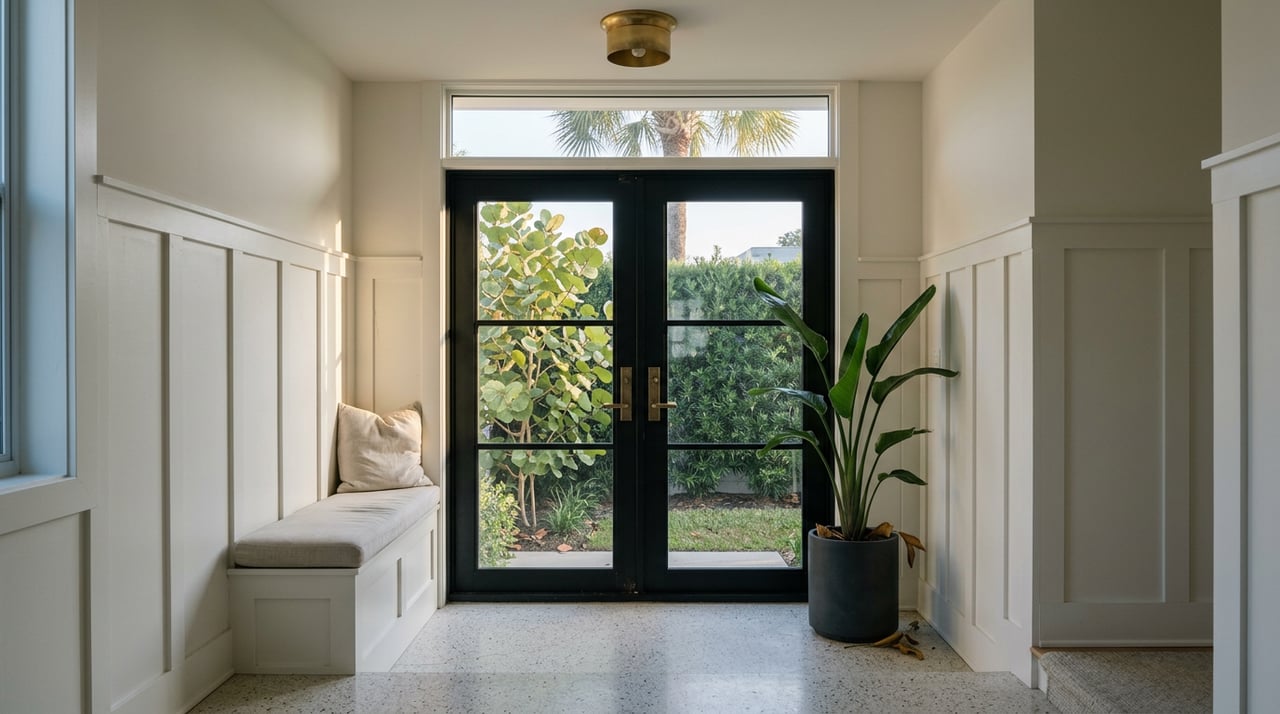
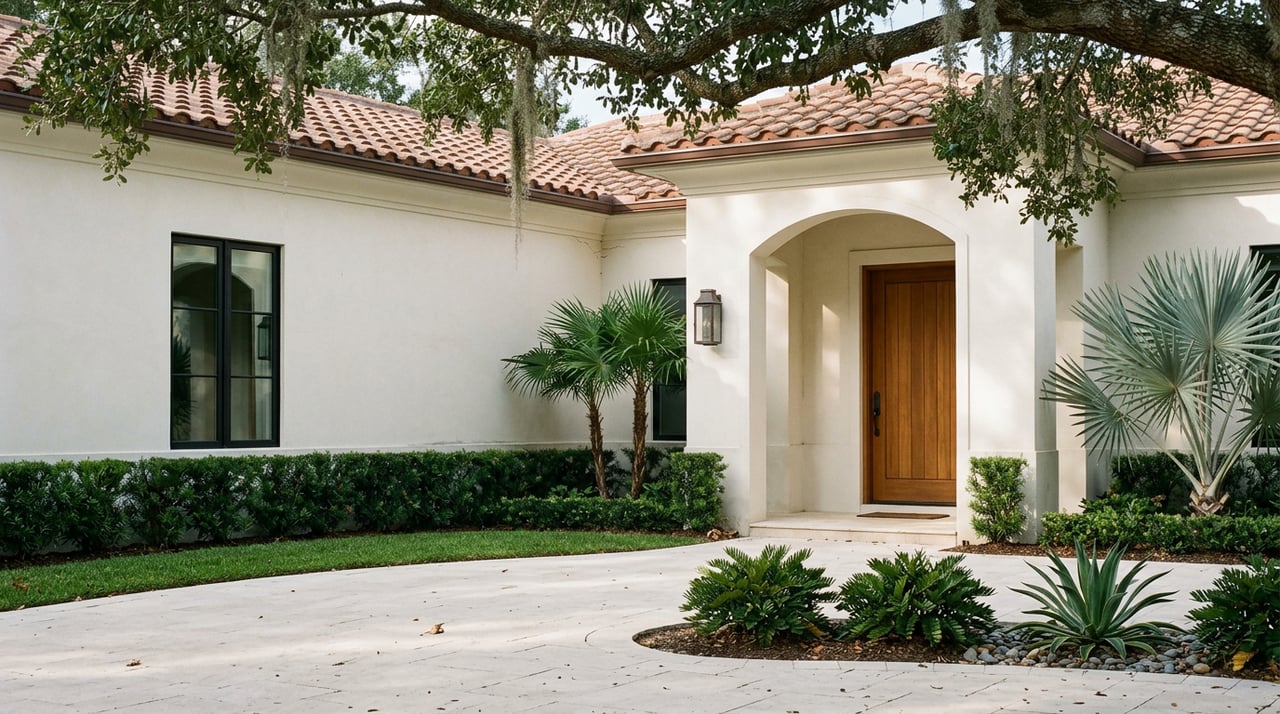
Entrances and porch projections are specifically called out in the design guidance. That makes porch and front entry updates a smart place to focus, as long as you preserve depth, trim, and the rhythm of openings.
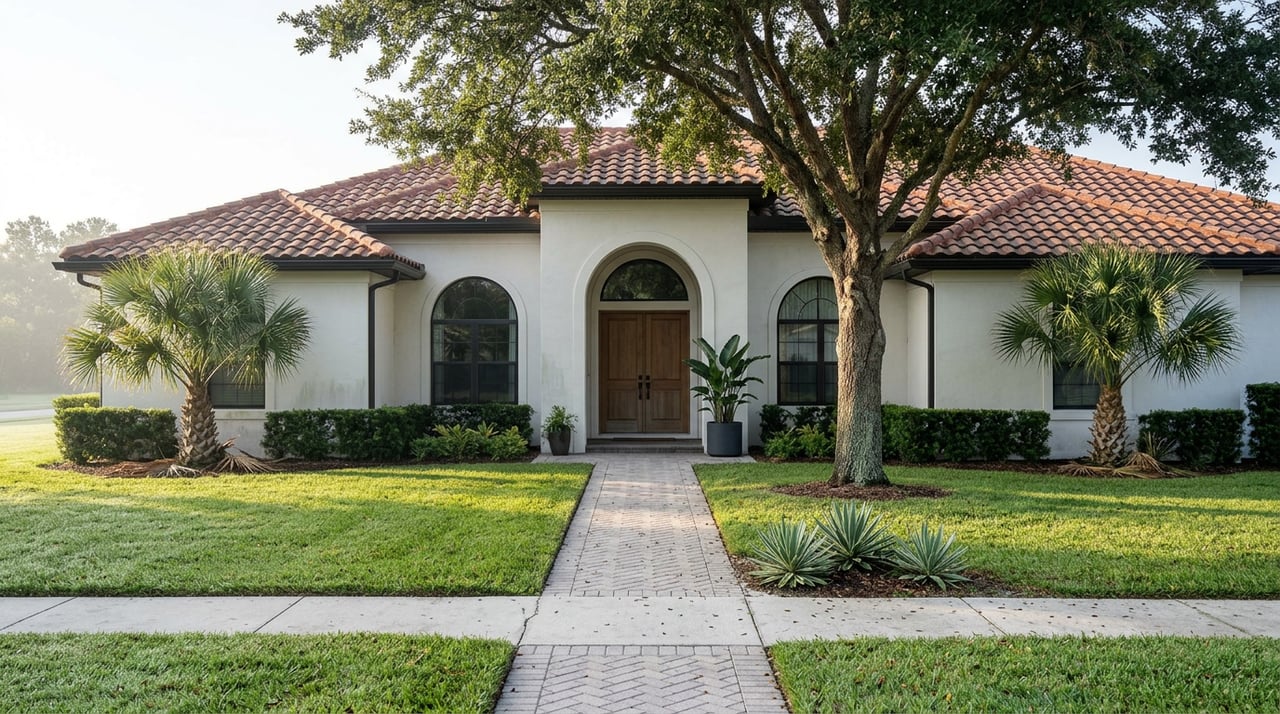
A refreshed entry can improve first impressions without changing the home’s identity. In many cases, that is exactly the kind of visible improvement that helps a listing feel polished.
Window patterns and façade proportions matter in Hyde Park. Replacing doors or windows without respecting the original scale can quickly make a historic home look out of sync.
If you are updating these elements, think compatibility over novelty. The goal is not to create larger, trendier openings. It is to maintain the balance and rhythm that the house already has.
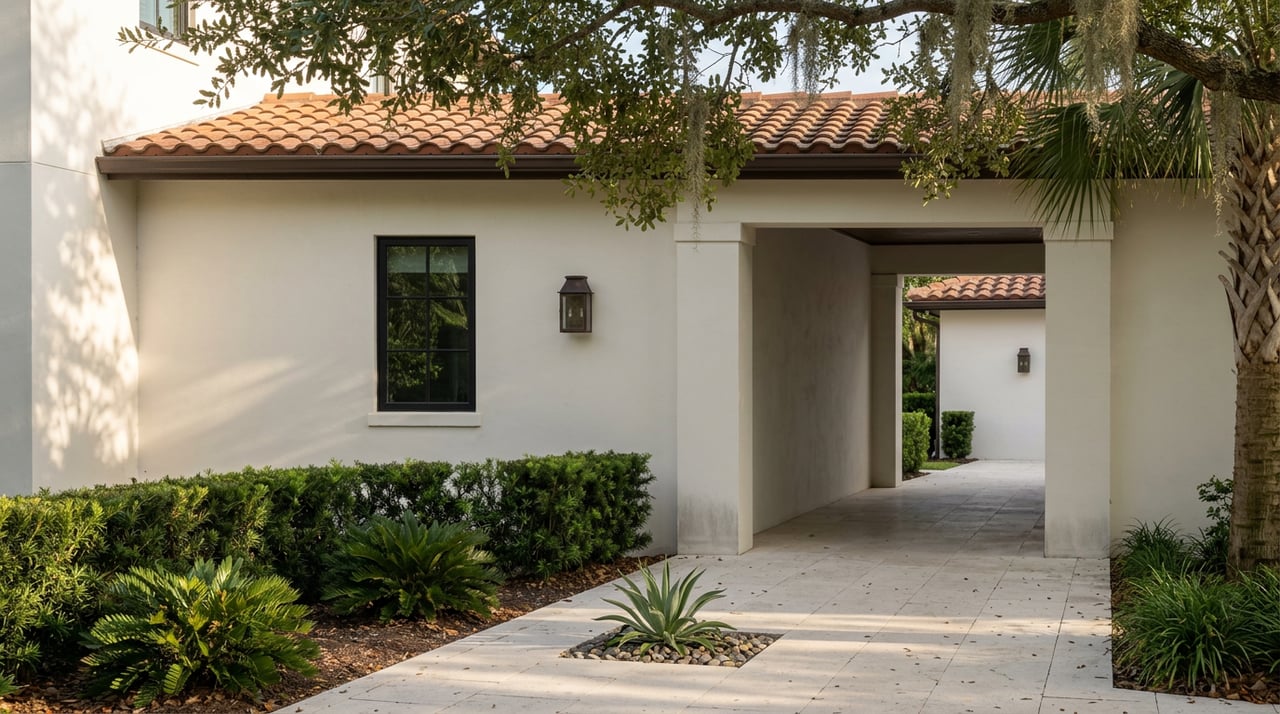
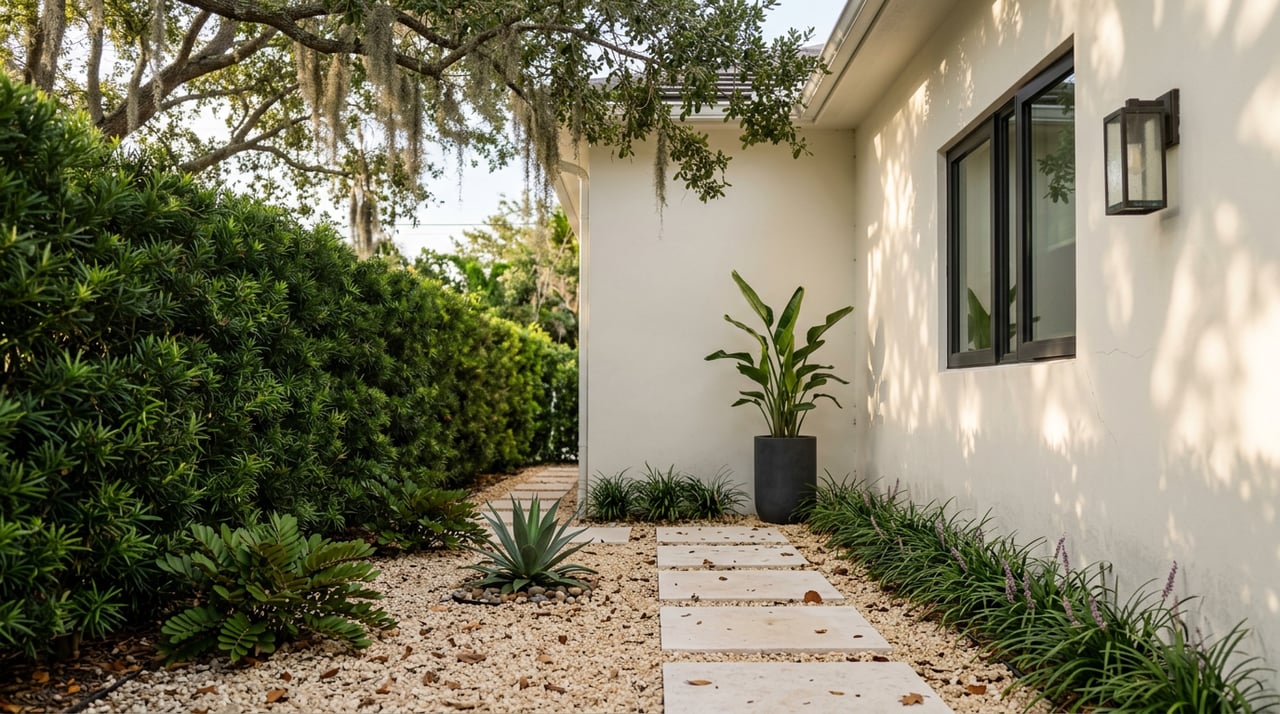
Paint, stain, and landscaping can have an outsized impact because buyers notice them immediately. The guidelines also specifically address paint or stain and landscape or site elements.
These are often some of the best ways to improve presentation without crossing into over-renovation. Fresh finishes, tidy planting, and careful maintenance help a home feel elevated while keeping the architecture in the lead.
Fences, walls, and screen enclosures are all addressed in the city’s guidance. In a historic district, these features typically work best when they remain subordinate to the house and compatible with the street edge.
In other words, they should support the property rather than dominate it. Oversized or visually heavy additions can distract from the home’s original form.
If you are selling, the safest path is usually not a dramatic transformation. National remodeling data cited in the research suggests that smaller, visible, condition-focused projects often recover more value than large-scale luxury renovations.
The 2025 Remodeling Impact Report found strong cost recovery for a new steel front door, while the 2024 Cost vs. Value report showed high resale returns for projects like garage door replacement and steel entry door replacement. Larger projects, such as major kitchen remodels or primary suite additions, tend to recover less of their cost.
That does not mean kitchens and baths never matter. It means you should be realistic about what the market will reward, especially in a neighborhood where city review standards already favor restraint.
In Historic Hyde Park, sellers should be cautious about:
These changes can cost more, take longer, and weaken the home’s historic appeal. In a multi-tiered market like Hyde Park, presentation still matters, but so does fit.
Current market snapshots show that Hyde Park is not one single price band. Research cited here shows different median prices and days-on-market figures across area definitions and data sources, with active listings and historic-district listings reaching very different levels.
The useful takeaway is simple: this is a layered market, and pricing alone does not do all the work. Condition, presentation, and buyer perception still matter. A home that looks authentic, cared for, and move-in ready can stand out more than one with an expensive but poorly matched renovation.
If you are preparing to sell and do not want to pay upfront for improvements, Compass Concierge may be a useful tool. According to Compass, the program fronts the cost of eligible home improvement services, with payment due at closing, when the listing ends, or after 12 months, subject to program terms. Depending on the state, fees or interest may apply.
Covered services include painting, flooring repair, decluttering, cosmetic renovations, landscaping, staging, roofing repair, fencing, kitchen and bathroom improvements, and many other categories. For a Hyde Park seller, the best fit is usually a short list of visible, market-facing improvements.
A practical pre-list plan may include:
This is where Onyx Collective’s advisory approach can make a real difference. The goal is not to renovate for renovation’s sake. It is to choose the updates most likely to improve presentation, support pricing, and keep your timeline on track.
If you are planning a deeper rehabilitation and expect to hold the property, Tampa’s Historic Property Ad Valorem Tax Exemption Program may be worth comparing with short-term financing tools. The city says the program was created to encourage rehabilitation and preservation and may apply to local landmarks or contributing properties in a local historic district.
The exemption can last up to 10 years, but pre-rehabilitation approval is required before work begins. That makes it more relevant for owners planning a substantial, long-term project than for someone doing a quick pre-list refresh.
If you are getting a Historic Hyde Park home ready for market, ask one question before every project: will this help the house look more like its best historic self, or less like it? That question can keep your budget focused and your renovation choices grounded.
In this neighborhood, the winning formula is often thoughtful maintenance, curb appeal, and compatible updates. You do not need to erase age to create value. You need to present character with care.
If you are weighing which improvements are worth doing before you sell, Onyx Collective can help you build a smart, market-ready plan that respects Hyde Park’s history and aims to maximize your net proceeds.
Stay up to date on the latest real estate trends.
We bring a fresh and dynamic approach to real estate, driven by a commitment to excellence and a passion for helping our clients achieve their dreams.

3615 BROMLEY GRAND AVE #230 TAMPA FL 33607